

Do you remember a time when you wanted a new toy that looked awesome in its box? Maybe you were drawn to the bright colors, fun characters, and exciting words that covered the outside. Or have you ever wanted to try a new snack because the pictures on the packaging made it look extra flavorful?
Category: Collection


What happens when a group of curators following the Safer at Home order plays a game with works from the Museum’s collection? You’re about to find out.
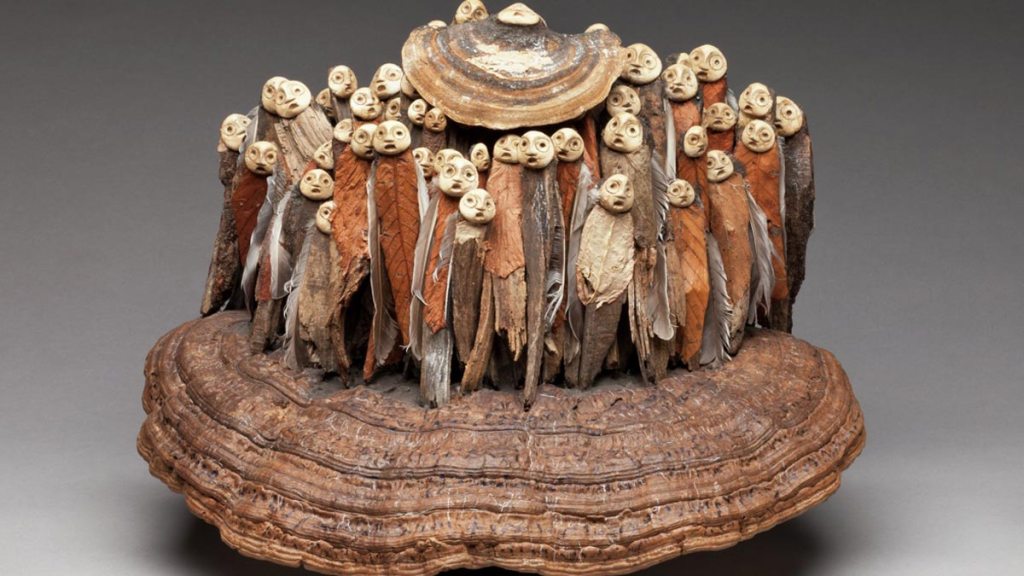
Now that it is officially spring, I love going outdoors to enjoy fresh air, sunshine, and exercise—and to explore nature. The artist Jephan de Villiers (HEFF-an duh vil-ee-AY) was inspired by the things he found in nature. As a child, de Villiers was often sick, which forced him to spend a lot of time in his bedroom. Being inside so much made him appreciate the outdoors even more. Leaves, branches, nuts, feathers, and fungi became his art supplies.

In our Play Date with Art program this month, we imagined what we’d be wearing in the future, and then we used found materials to bring our vision to life. You can do the same at home, using materials from around your house! Your designs can be anything you want. Think of future styles, or think of a special occasion you’d like to dress up for.

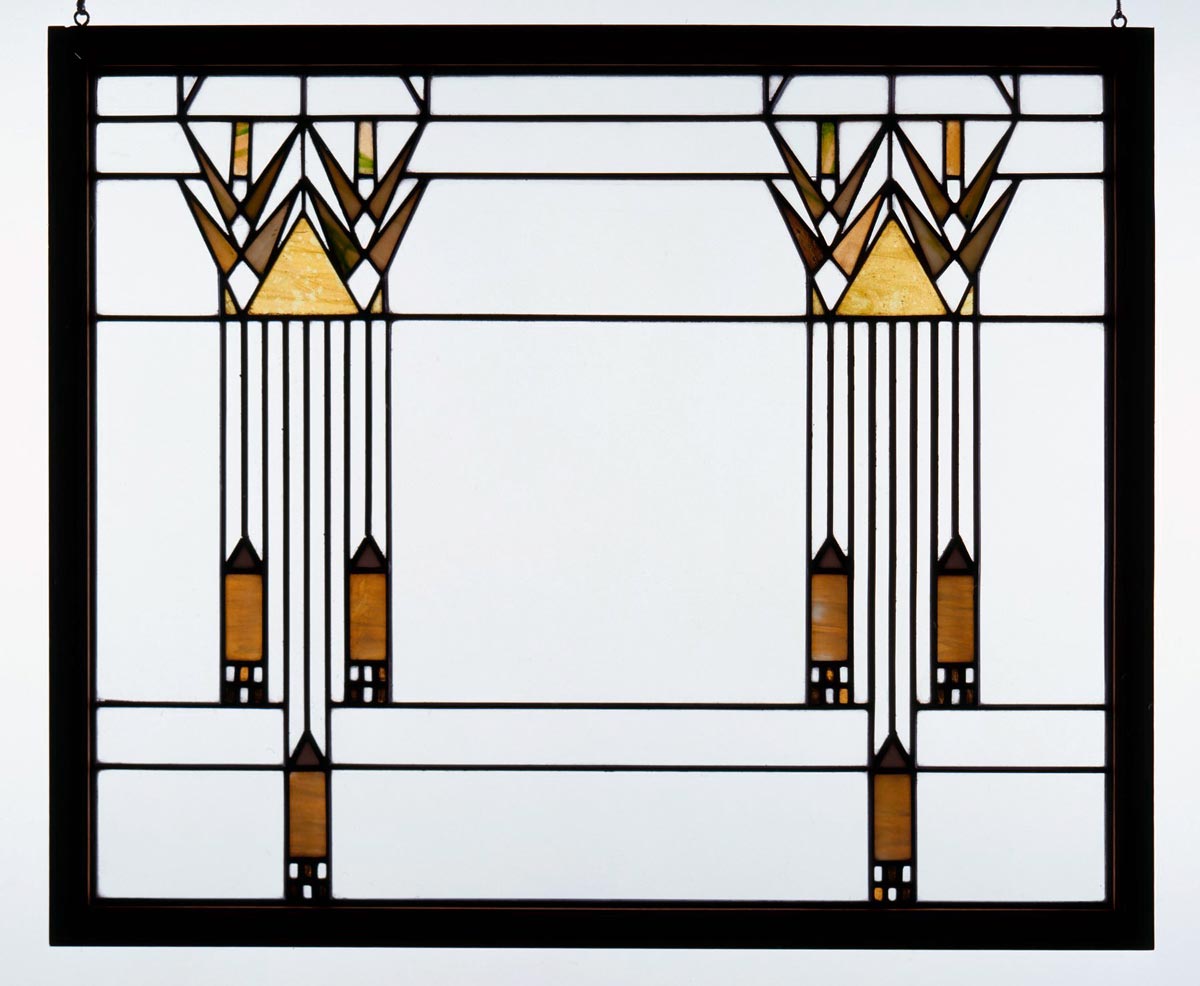
Having to stay inside can get dull—especially if it’s too cold, too windy, or too rainy to play outside. I find myself staring out my window quite a lot these days. It got me thinking: what could make my window more fun? How could I make my indoors more colorful while also sharing some fun with my neighbors, who may be looking out their windows? For our first at-home art activity, I drew inspiration from leaded stained glass windows!


The works by Degas, van Gogh, Bonnard, Modigliani, and others on view in the Modern Vision exhibition are from The Phillips Collection and reflect the lifelong collecting efforts of Duncan Phillips, who developed an interest in art at an early age. A five-part podcast on collectors and collecting produced in conjunction with the exhibition reveals that Phillips worked in concert with his wife, Marjorie, herself an artist, whom he met shortly before he opened his museum. She became the deputy director of the museum and, after Duncan’s death, went on to become its director.

In celebration of Black History Month, we are highlighting one of the tours offered to school groups year-round: “Art by Artists of the African Diaspora.” On this tour, students explore the ways in which artists of African descent, including African Americans, use their work to document their lives, tell the stories of their communities, and fight for social change.
Here are some of the extraordinary works by African American artists featured on each tour. Find them in the Collection Galleries during your next Museum visit!
Categories
Remembering Truman Lowe

Celebrated Wisconsin artist and beloved University of Wisconsin–Madison professor Truman Lowe passed away on March, 30, 2019, leaving behind a powerful legacy.
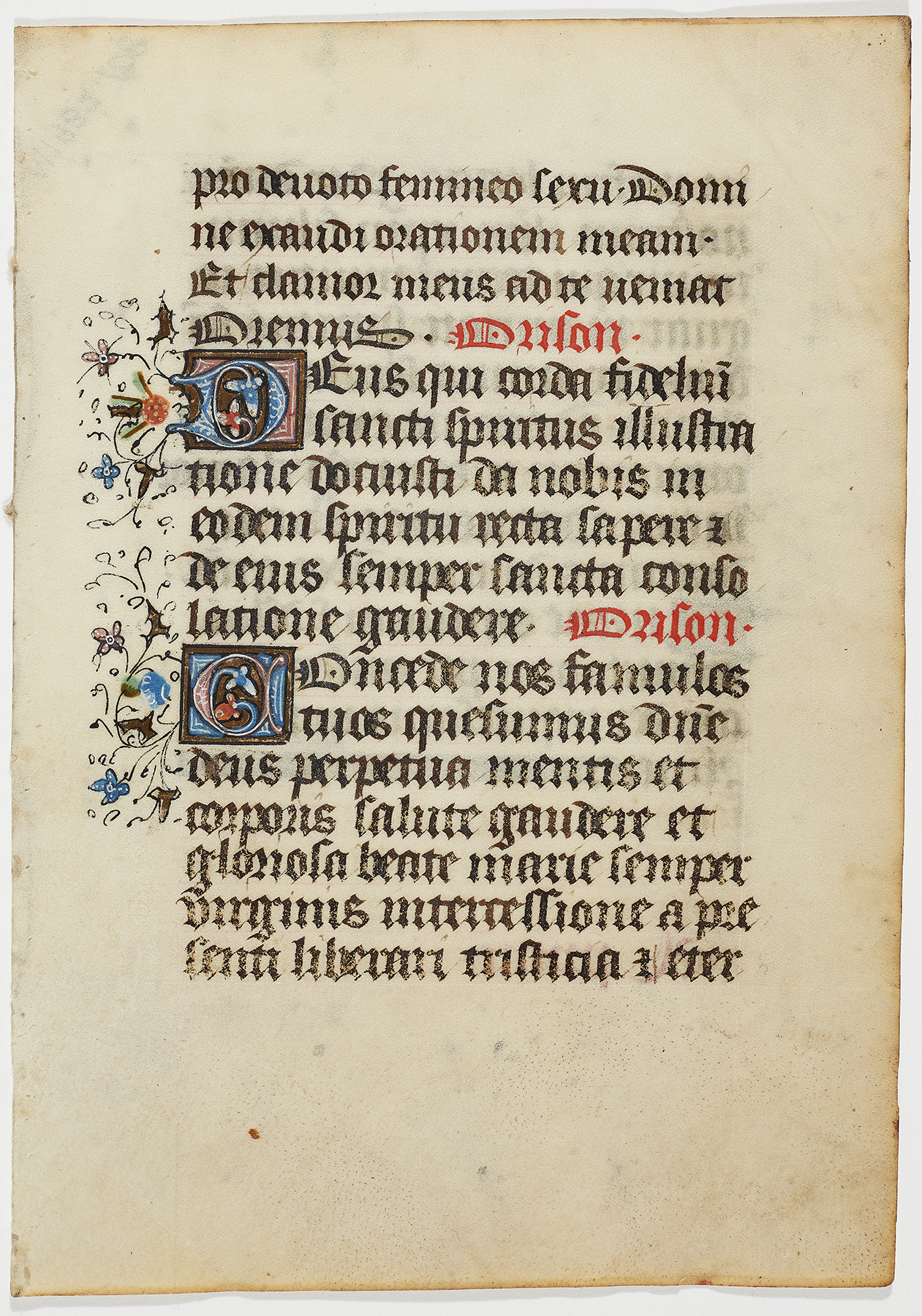

Before the invention of the printing press in the fifteenth century, books were handwritten. Imagine…every time a copy of a text needed to be made, someone had to do it painstakingly by hand. In our world of quick reproductions and the ease of hitting “print”, this can be hard to believe!
The exhibition The Art of Devotion: Illuminated Manuscripts from Local Collections, on view at the Milwaukee Art Museum through June 16, 2019, aims to provide an introduction to these handwritten texts—called manuscripts—that were made in the middle ages and early Renaissance. A good number of those manuscripts are also illuminated, or decorated with gold, silver, and bright colors that make them literally look like they shine from within.

The mistaken belief that there is no history of clothing designs for disabled users has had a number of repercussions. Among them: nearly all designers treat their own iterations as inaugural, there has been a dearth of innovation as designs are continuously repeated, and disability-led innovation is written out of the historical record [1]. Not only is there a long history of clothing designed by and for disabled persons, but in some cases it sets a higher standard than the efforts that followed. “Functional Fashions,” a display in the 20th- and 21st-Century Design Galleries at the Milwaukee Art Museum, introduces the largest collaborative clothing line for disabled persons in American history.