

Follow along to learn how to make a scratch art story inspired by the hydrias, or ancient Greek water jars, in the Museum’s collection.


It’s almost Mother’s Day! Give your mom, grandma, or any other special person in your life a flower bouquet that will last forever. This week, we’re making paper flowers inspired by the gorgeous blooms you can find in artworks throughout the Museum’s galleries. This is one of my favorite floral still lifes.
Let’s get started! Here are instructions for making two different kinds of paper flowers.

Look, talk, imagine, learn, and wonder—together! During a child’s earliest years, their brain makes one million neural connections every single second. Inspired by Vroom, these Museum Moments activities provide you with the tools you need to be a brain builder—while encouraging a love of art. We’ve modified the in-gallery activities for you and your little ones, ages 5 and under, to use at home.
A museum’s collection is, by its very nature, carefully organized, its objects categorized by geographic origin, medium, chronology, and other defining characteristics. However, works of art have many qualities that defy these traditional institutional divisions. Through a series of videos, we will examine these broader elements, seeking commonalities and new ways of connecting the works in the Museum’s collection. We invite you to join us as each curator focuses on a single work of art, exploring both that object and how the object speaks to the collection as a whole, as well as to the chosen theme in particular.


This week, we’re drawing inspiration from quilts in the Museum’s collection, including Margaret A. Beattie’s Crazy Quilt. Look closely at the rows of fancy stitches and designs on top of the fabric patches. This is called embroidery and is made with needle and thread. It is a traditional way to decorate crazy quilts. Experiment with sewing your own fancy stitches, as you learn to make and stitch a lacing board.


Upon first glance, The Shepherdess by Jean-François Millet seems to represent a purely bucolic scene in rural France. Millet completed the etching in 1862, and in it, we see a woman knitting while her sheep graze in a field in the distance. She wears a cape, a bonnet, and sabots—wooden shoes associated with the lower classes in France. Her face is obscured by the shade of the trees growing behind the boulder where she rests. On her right, a dog keeps watch over the sheep. A sense of purposeful stillness pervades the scene. Despite the tranquility of the image, however, the setting and activities it depicts are closely related to ecological debates that took place in French society between the 1830s and 1870s. One such debate centered on Fontainebleau Forest.
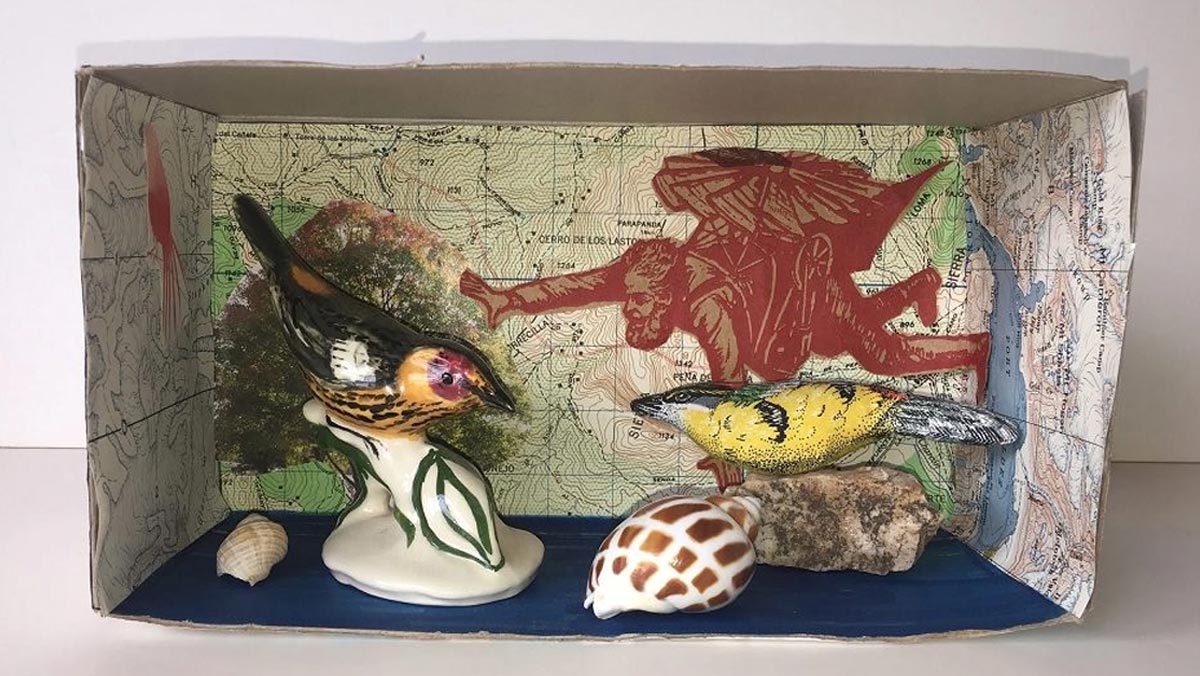

American artist Joseph Cornell (1903–1972) was famous for his imaginative, mixed-media shadow boxes. A shadow box is an enclosed box, with glass on the front, that contains artistic or personal objects. Cornell purchased trinkets from secondhand stores and cut out images from magazines to use as art supplies. He then arranged these objects to create dreamlike, mysterious, and whimsical scenes. Many of his shadow boxes had themes, like outer space or birds. Cornell spent a lot of time by himself; each shadow box offers a glimpse into his private world.
Here’s how you can create your own shadow box, using objects you find at home!

Do you remember a time when you wanted a new toy that looked awesome in its box? Maybe you were drawn to the bright colors, fun characters, and exciting words that covered the outside. Or have you ever wanted to try a new snack because the pictures on the packaging made it look extra flavorful?
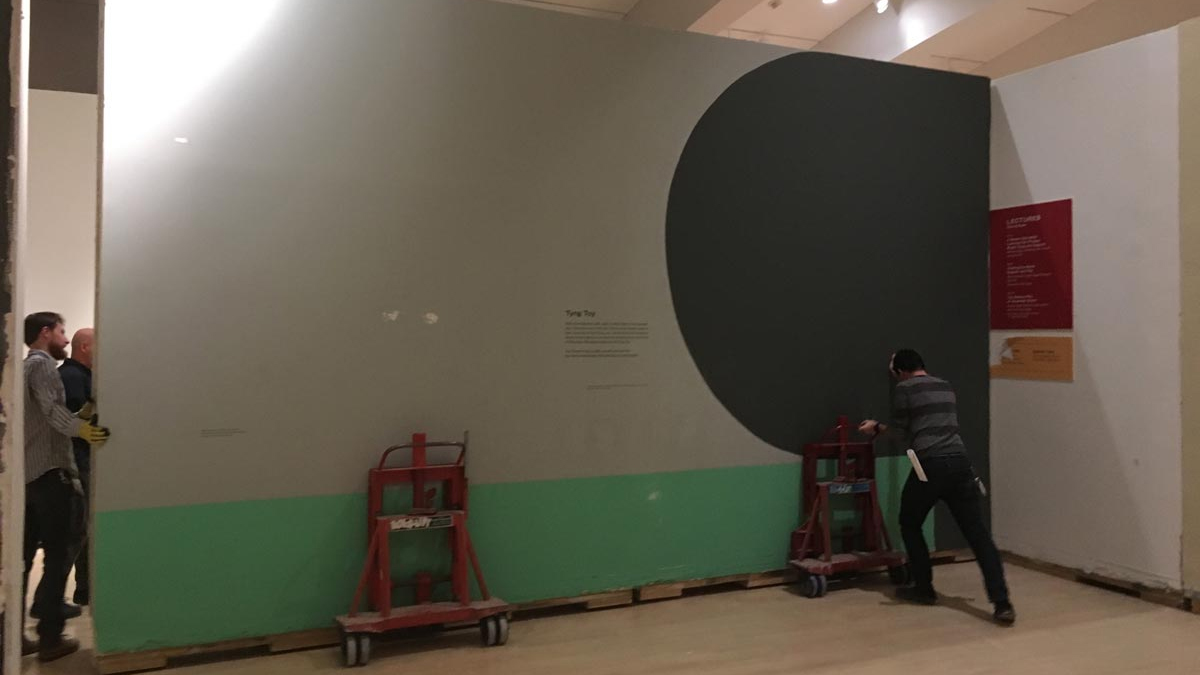
Just how does Robert Indiana’s The American LOVE sculpture make its way from the truck bed to become a fixture on the lakefront? What does the back of a Robert Henri painting look like? How does a three-dimensional sculpture get packed for safe travel to Spain?


What happens when a group of curators following the Safer at Home order plays a game with works from the Museum’s collection? You’re about to find out.