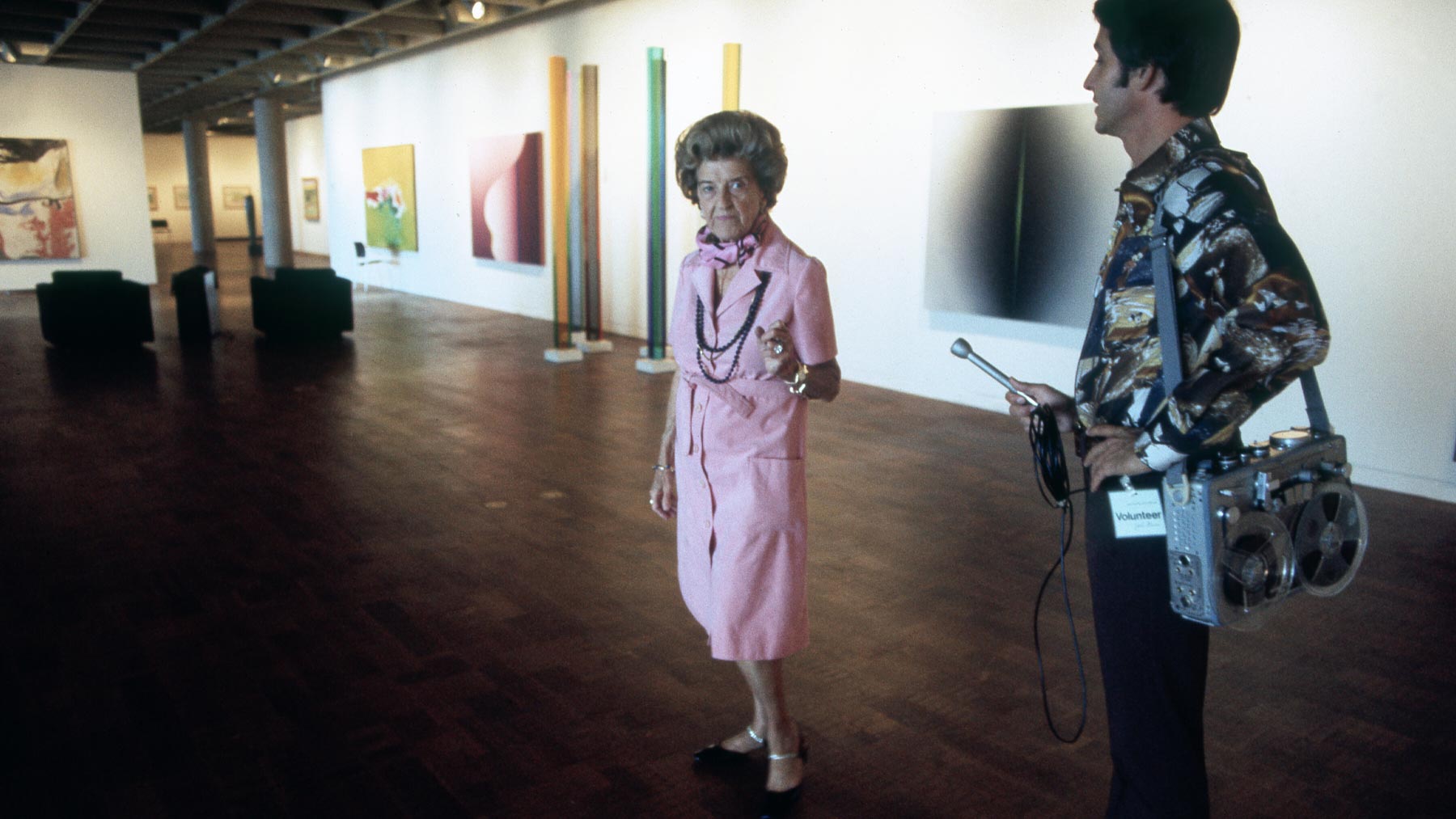
On September 21, 1975, the David Kahler-designed addition to the Milwaukee Art Center opened to the public. Among its many draws were newly constructed galleries on the second floor to house Peg Bradley’s extensive collection of 20th-century painting, sculpture, and works on paper.
Category: Art
Lakefront Festival of Art is turning 60—and it’s never looked better.

As Milwaukee’s signature summer celebration of creativity, Lakefront Festival of Art has long been where art lovers, families, and festivalgoers come together to enjoy art, community, culture, and our city’s unbeatable lakefront views. To mark the festival’s 60th year, the Milwaukee Art Museum is unveiling a fresh new look for LFOA—one that honors its legacy while turning up the energy.

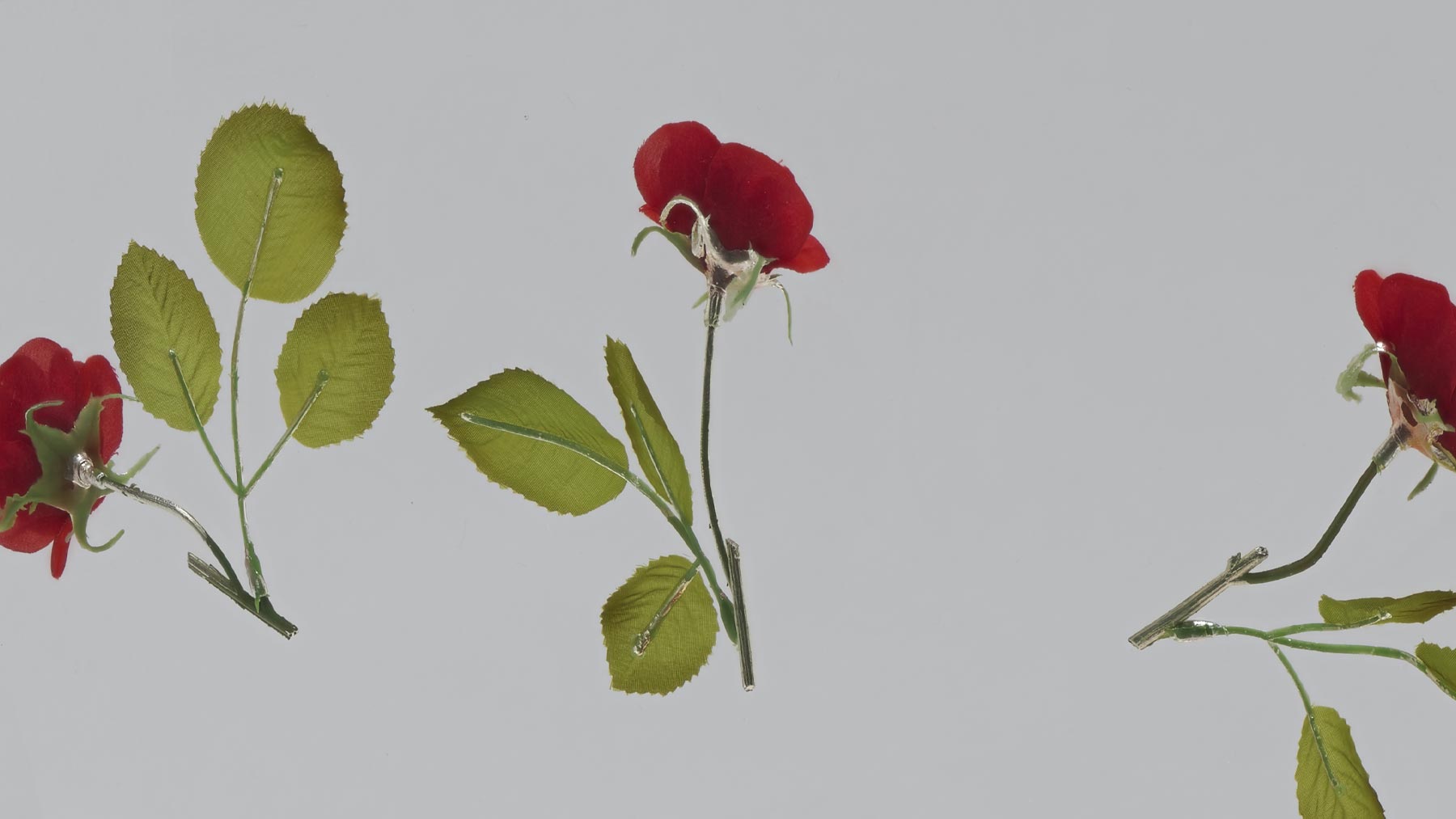
On the heels of the Milwaukee Art Museum’s annual Art in Bloom celebration, a new kind of flower is blooming in the design collection galleries: the Miss Blanche chair created by Shiro Kuramata. It is one of the final works by Kuramata, the legendary designer who brought Japanese design onto the global stage with his expressive and conceptual objects. An homage to Blanche DuBoise, the heroine of Tennessee Williams’s play A Streetcar Named Desire, the chair exemplifies his poetic approach to the everyday and his longstanding engagement with materiality. Its presence in the galleries expands the Museum’s narratives around Japanese design and provides a new, exciting context to the beloved Carlton bookcase by Ettore Sottsass.

Alongside many other strengths, the Milwaukee Art Museum boasts a remarkable collection of modern American silver. To celebrate these holdings, we wanted to reflect on a few of the significant 20th-century works here at the Museum.
Silversmithing has a long history in the United States, but in the 20th century it emerged as an unexpected medium for the exploration of modern forms and lines. Each an important part of the story of modern silver in the United States, the works featured below express how different designers related to and understood the goals of modernism, and how they worked through a range of ideas around production, craftsmanship, and aesthetics. Some of these objects are currently on view while others will make future appearances in permanent galleries or exhibitions.

The pioneering sculptor, educator, and arts activist Ruth Asawa spent most of her life in California, but she has a surprising—and significant—connection to Wisconsin and the city of Milwaukee. A new work acquired in 2020 and recently installed in the 20th- and 21st-Century Design Galleries represents Asawa’s time in the city and speaks to its impact on this influential artist and her career.
Through January 28, 2024, Milwaukee Art Museum visitors have the opportunity to explore an exquisite collection of artworks on view in Art, Life, Legacy: Northern European Paintings in the Collection of Isabel and Alfred Bader. The 75 paintings presented in the exhibition were assembled while the Baders, longtime Museum patrons and supporters, were living in Milwaukee. They not only gave artworks to the Museum—many of which are on view in the collection galleries—but were formative in the development of the European art program at the Museum.
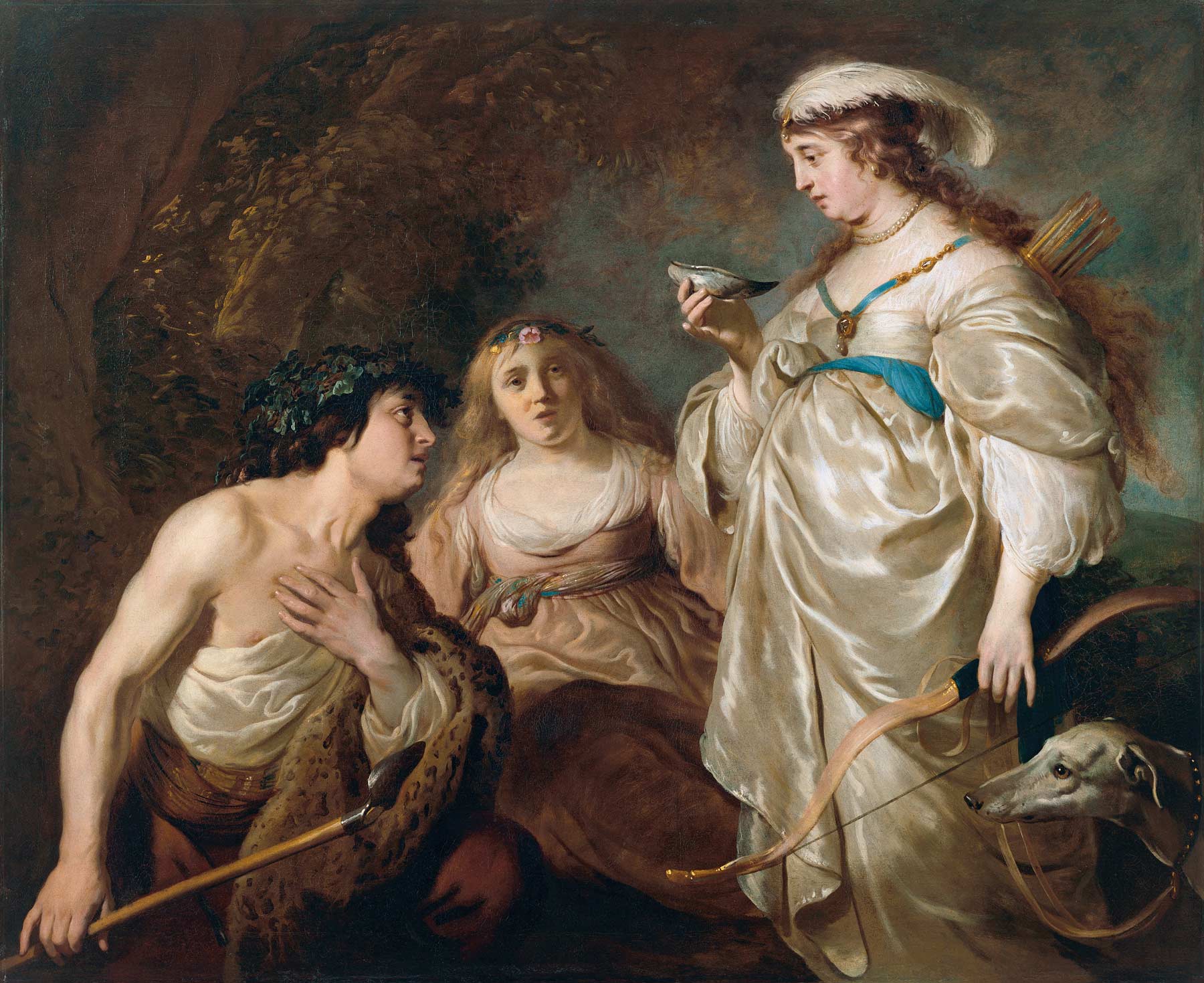
One such artwork is the painting Orpheus by Adriaen van Nieulandt the Younger, on view in gallery S106. The painting shows a popular mythological scene, and closer inspection of the work reveals the artwork’s interesting origins.
Opening September 29 at the Milwaukee Art Museum is Art, Life, Legacy: Northern European Paintings in the Collection of Isabel and Alfred Bader. The 75 paintings presented in the exhibition were assembled while the Baders, longtime Museum patrons and supporters, were living in Milwaukee. They not only gave artworks to the Museum—many of which are on view in the collection galleries—but were formative in the development of the European art program at the Museum.
In anticipation of the exhibition, today we’ll look at two paintings with the same subject that passed through Alfred Bader’s hands: one is on view in the Museum’s collection galleries and the other is in the exhibition.

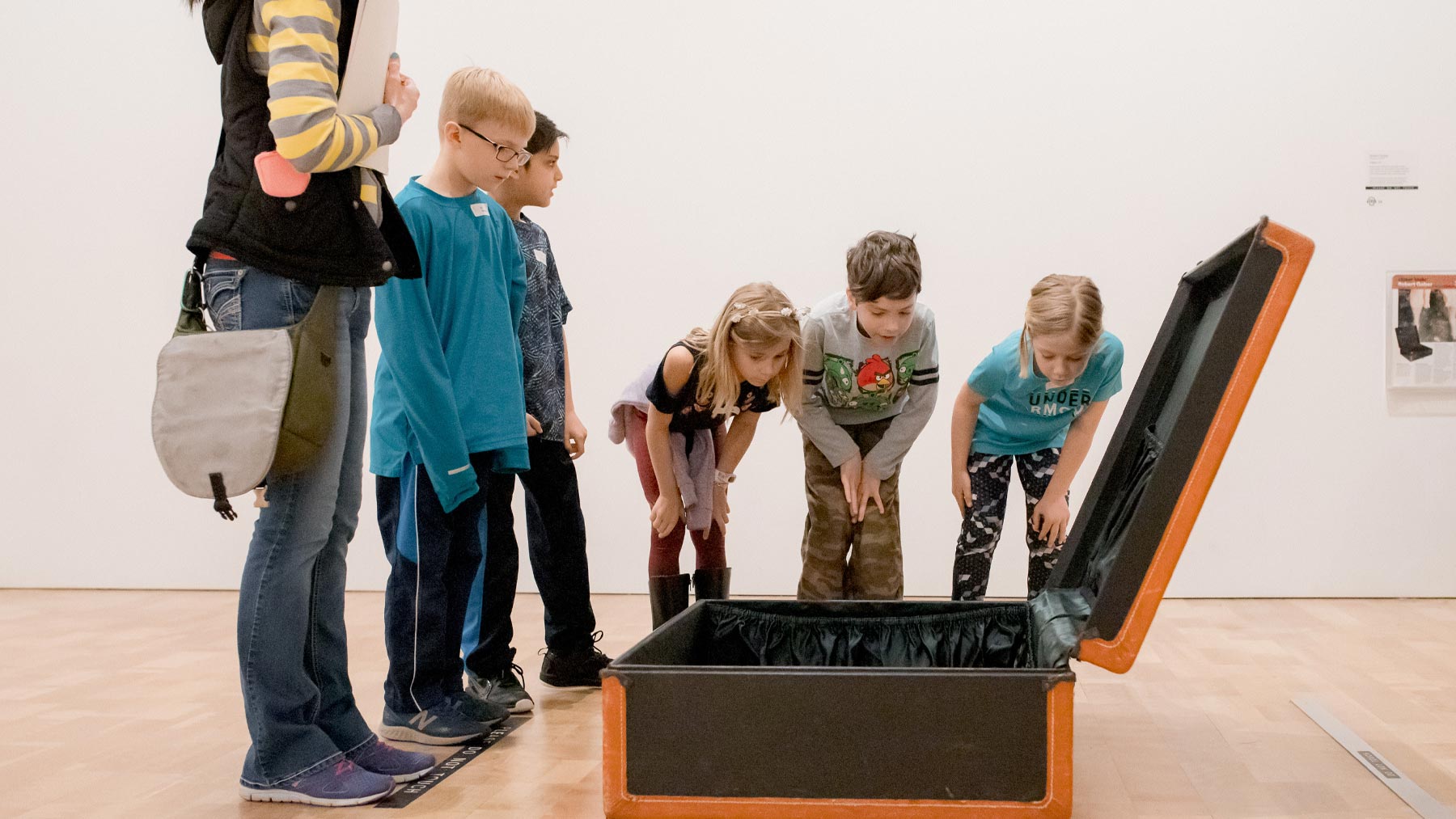
For more than two years, the conservation team at the Milwaukee Art Museum has been collaborating with other experts to conserve Robert Gober’s Untitled installation so it can return to the galleries and again immerse viewers in an animated, watery scene, as the artist originally intended. When visitors peer inside the suitcase, they often think the watery tableau is created by a screen. The truth is much more exciting! What you see is a sculpted pool filled with gently lapping water, silicone seaweed, and wax limbs. But this installation, like all artwork, is not inert. Gober made the work in 1997, and over the course of 26 years, mechanical elements became worn and algae grew.

Spoiler alert: Visitors who come to the Museum for the exhibition Scandinavian Design and the United States, 1890–1980 will find a Volvo in the galleries. Dedicated to the extensive cultural exchange between Scandinavia and the U.S. in the 20th century, the exhibition presents the Volvo and its innovative seatbelts as examples of design for social change.

We at the Milwaukee Art Museum were deeply saddened to learn of the recent passing of Isabel Bader, a loss that is greatly felt within our Museum family. A longtime patron and friend of the Museum, Isabel was known for her remarkable passion and steadfast commitment to the arts, which had a profound impact on our institution and our community. For decades the Museum has benefited from the boundless generosity and invaluable support of Isabel, her late husband Dr. Alfred Bader, and the Bader Family’s charitable foundation, Bader Philanthropies, Inc.