Emma Kerkman, Conrad and the Shattered Frame. Silver Key. Grade 12, Home School, Kathy Pyeatt, instructor

 Milwaukee Art Museum Blog
Emma Kerkman, Conrad and the Shattered Frame. Silver Key. Grade 12, Home School, Kathy Pyeatt, instructor
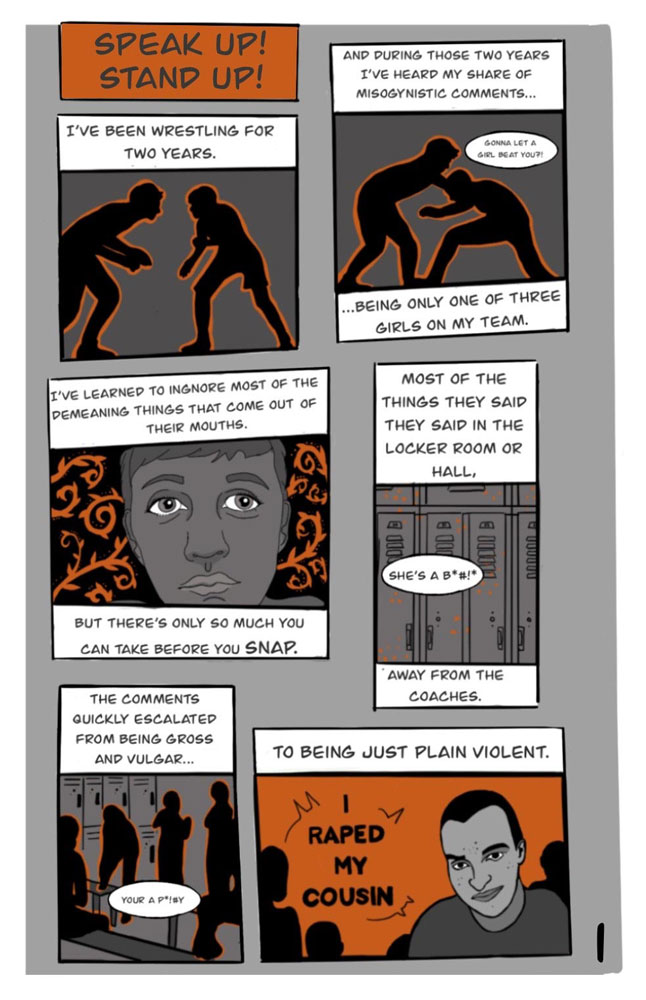
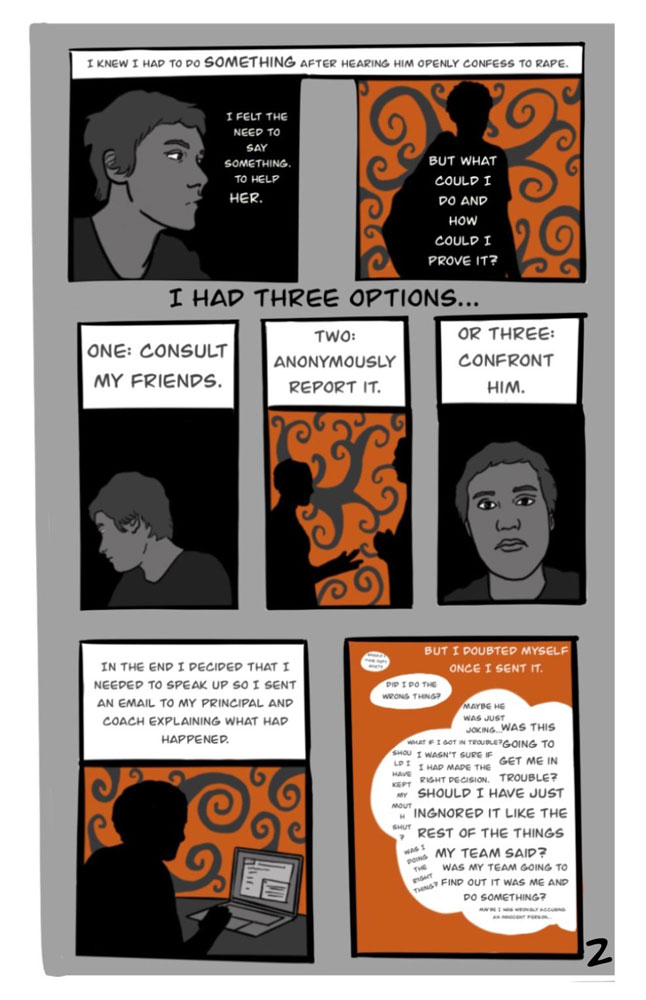
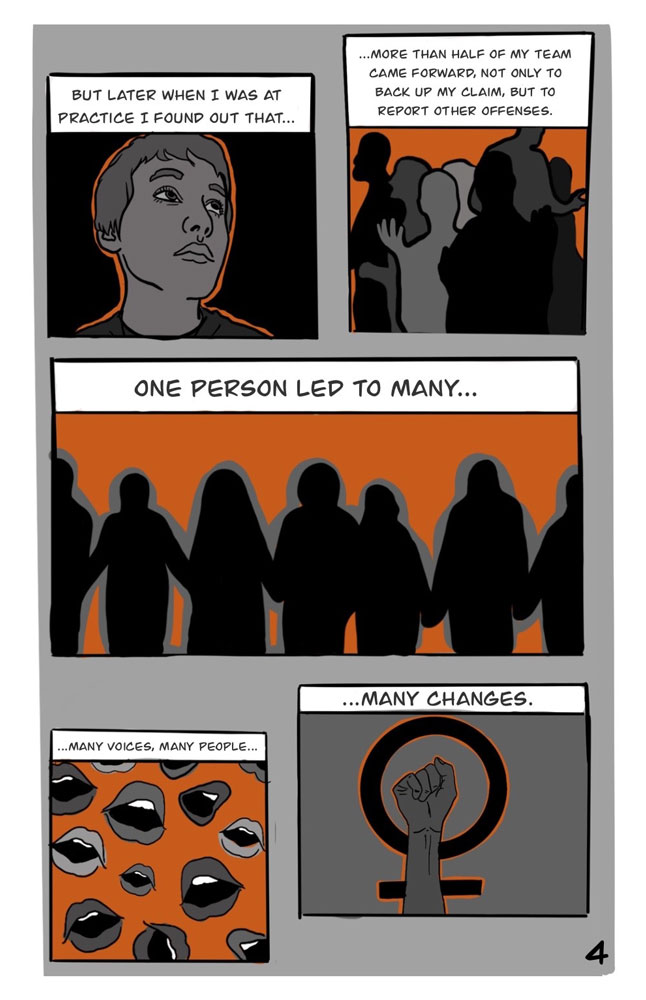
Sky Greer, Speak Up Stand Up. Gold Key. Grade 9, Wauwatosa West High School, Andrea Skyberg, instructor

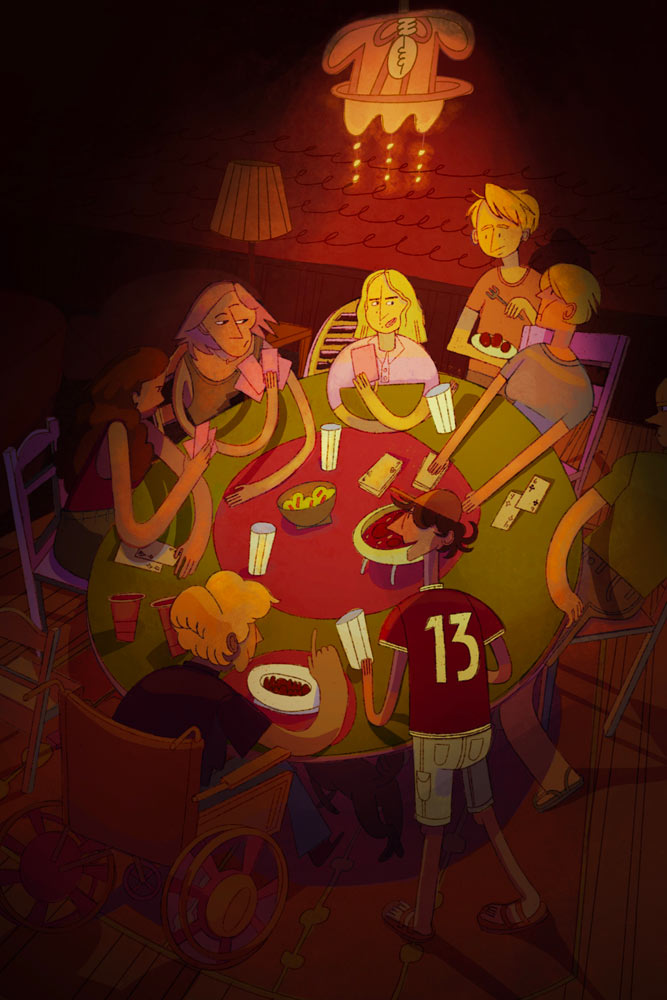
Sophia Kunstman, Fever Family. Gold Key. Grade 11, Madison West High School, Jennifer Engelbart, instructor
Henry Zhang, Memories of a Beijing Park. Silver Key. Grade 11, Shorewood High School, Jessica Mohagen, instructor
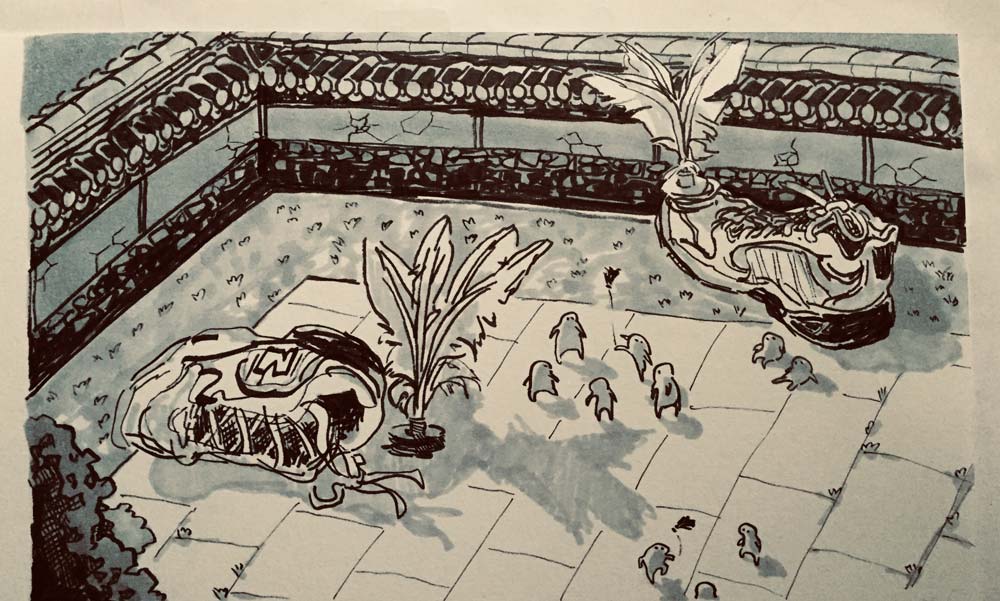
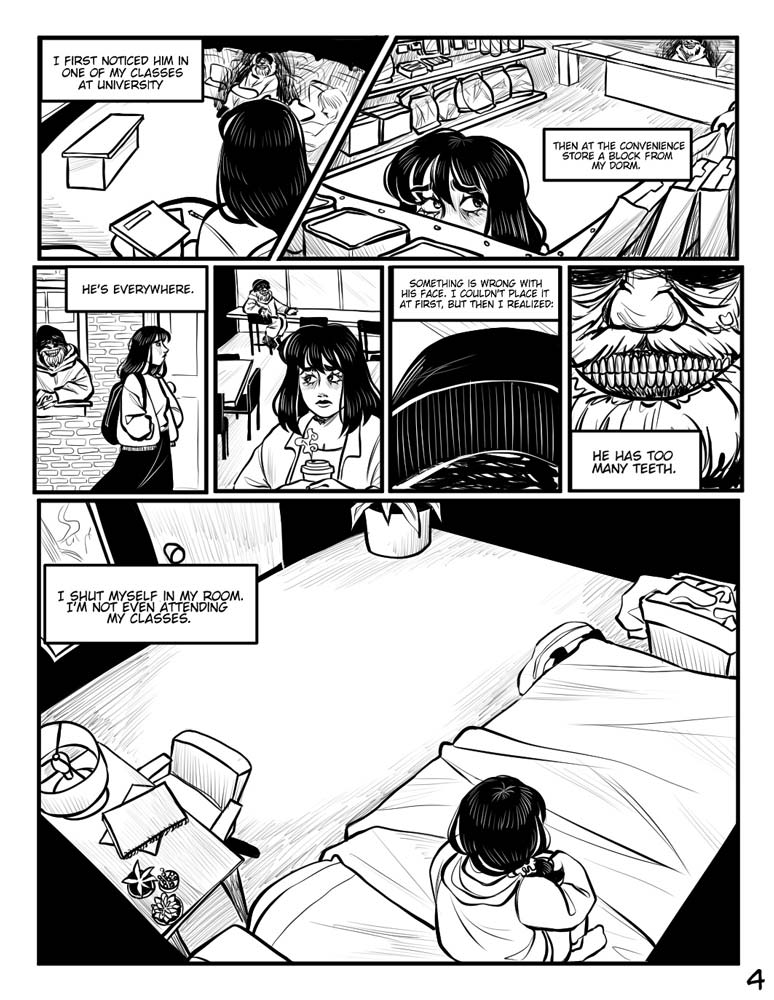
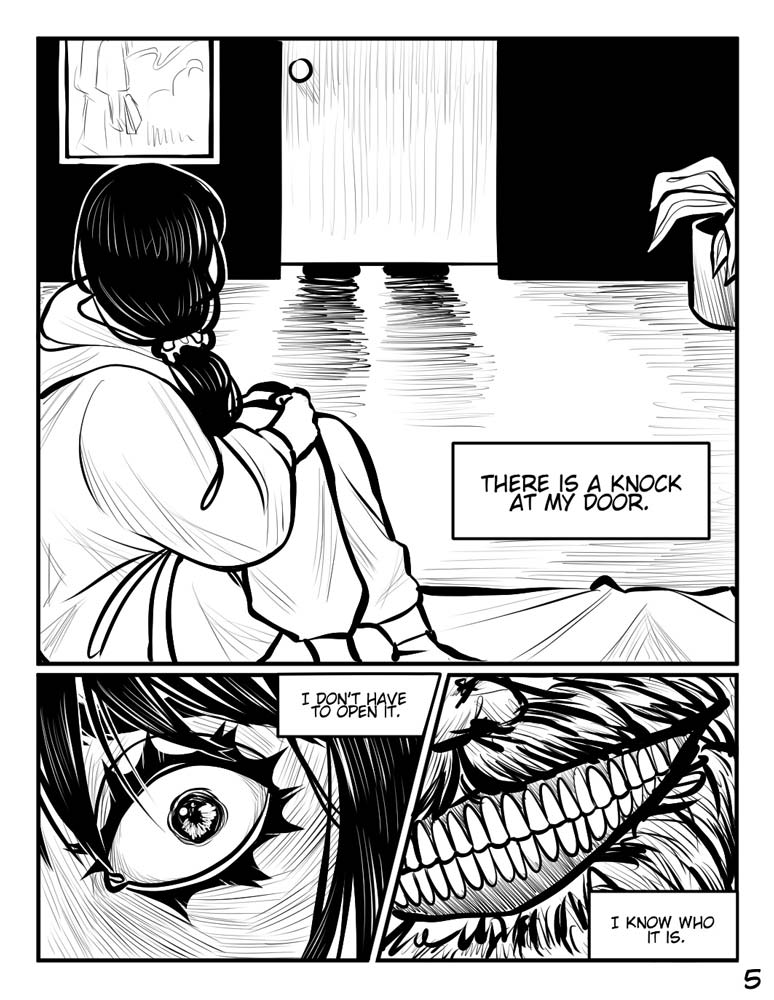
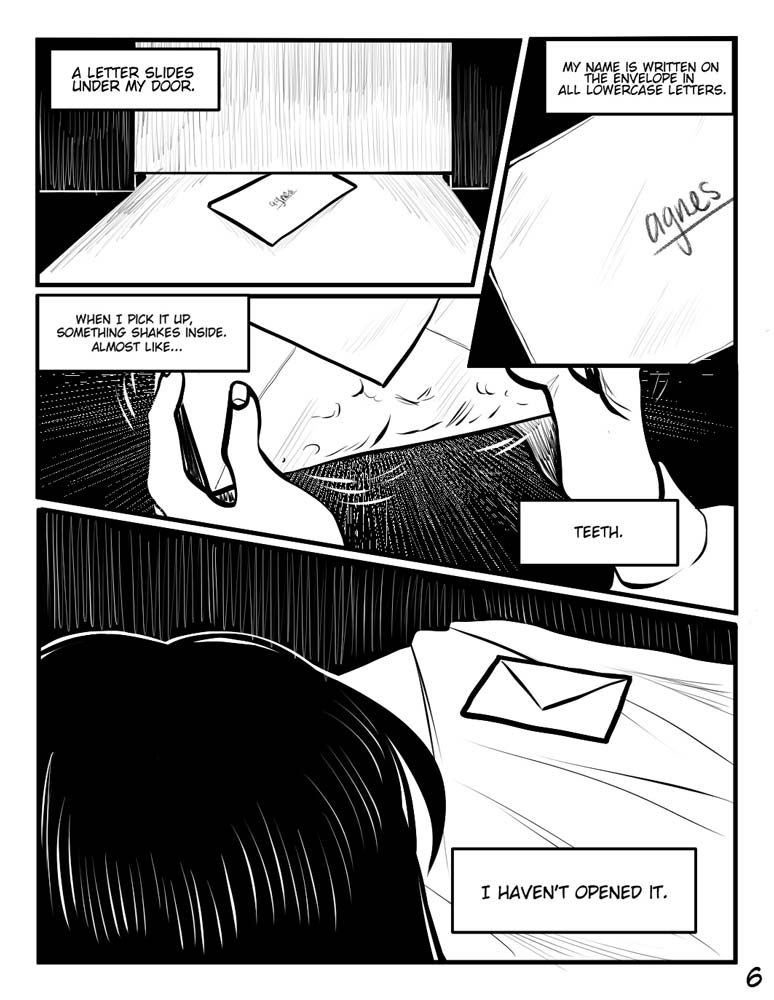
Colette Stoye, Agnes. Gold Key. Grade 11, Whitefish Bay High School, Tanner Teipel, instructor
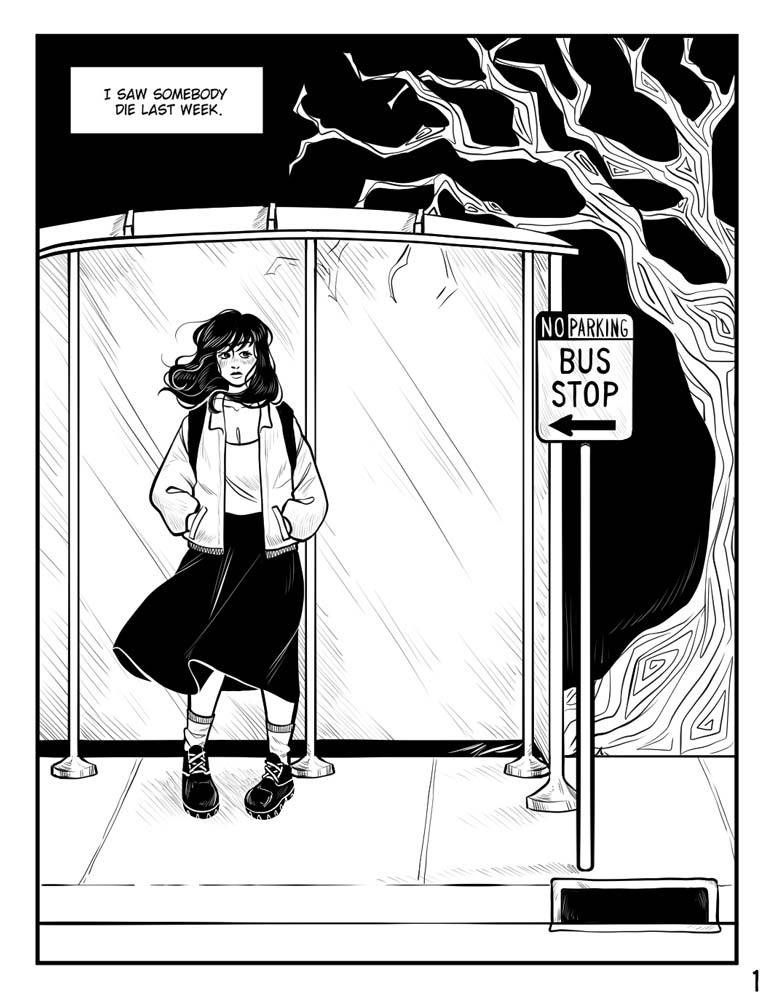
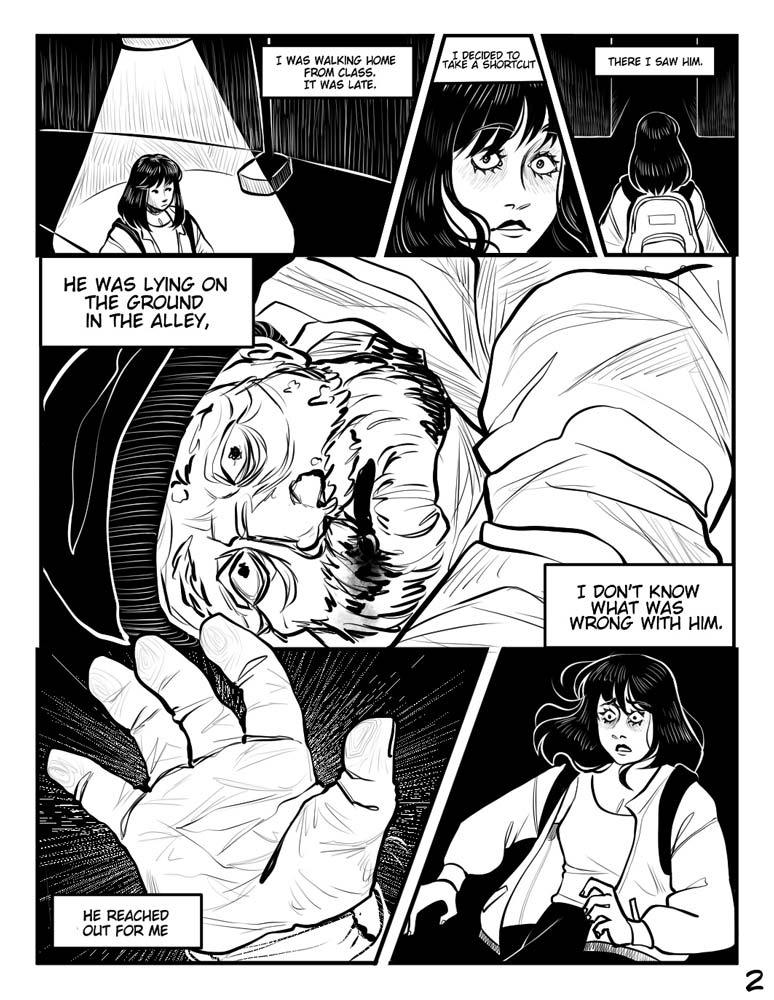
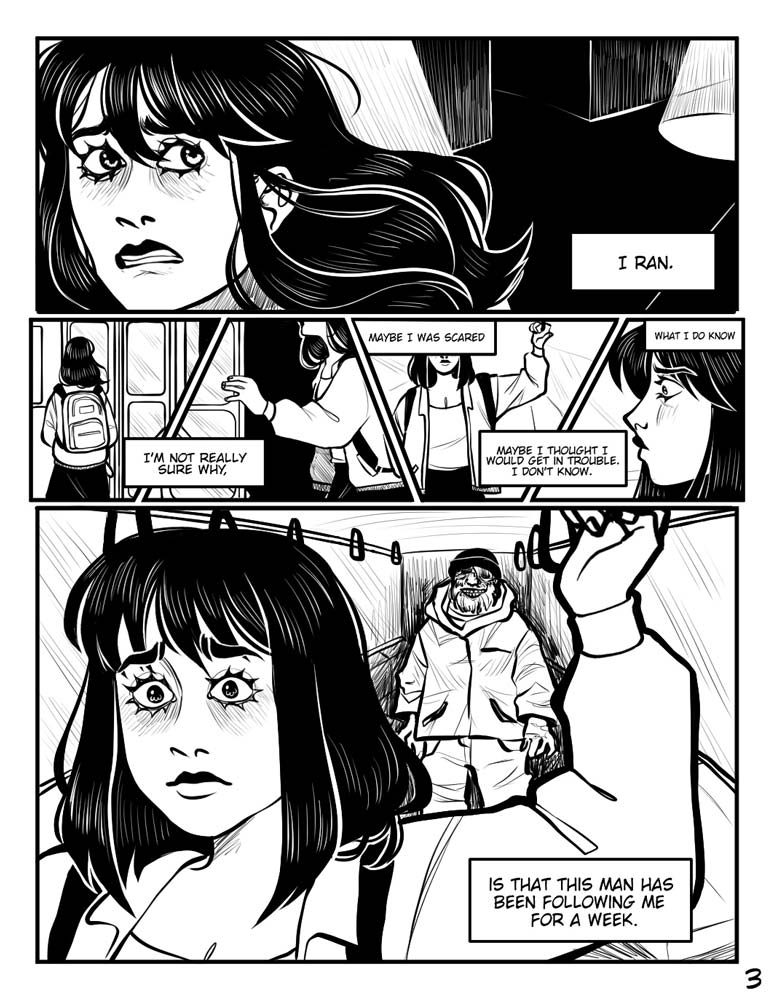
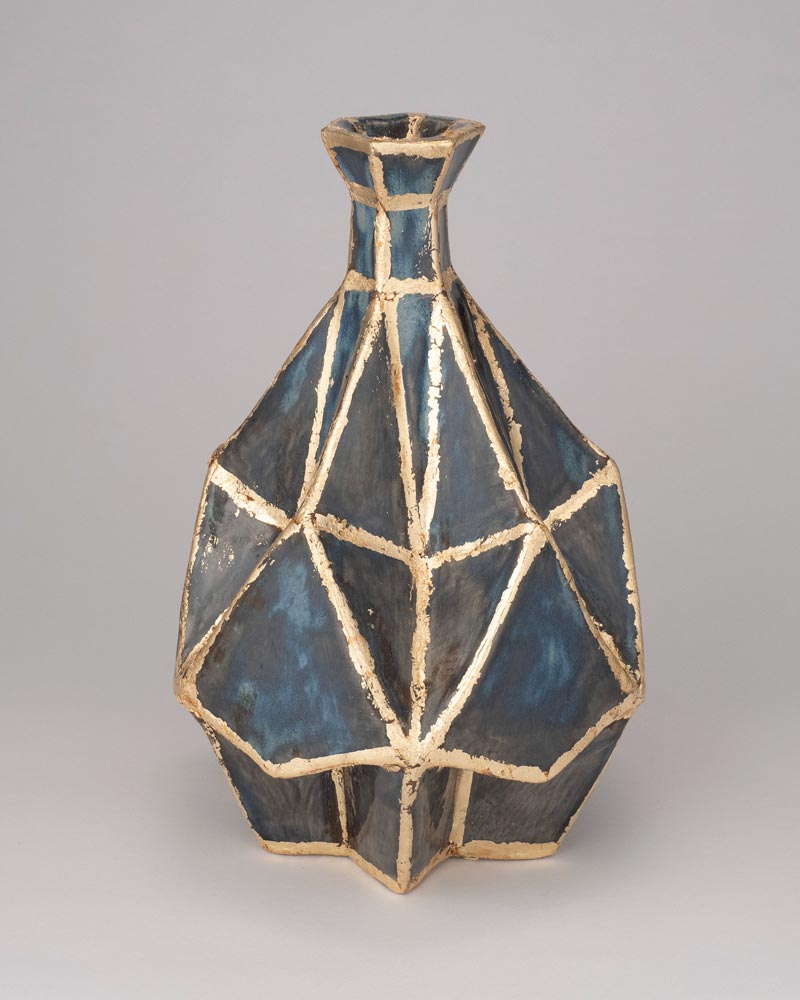
Rebecca Bode, Facets. Gold Key. Grade 10, Brookfield Central High School, Samantha Smith, instructor
Alexandra Lewis-Penland, Eyes Watching. Gold Key and American Visions Award. Grade 11, Wauwatosa East High School, Megan McKay, instructor
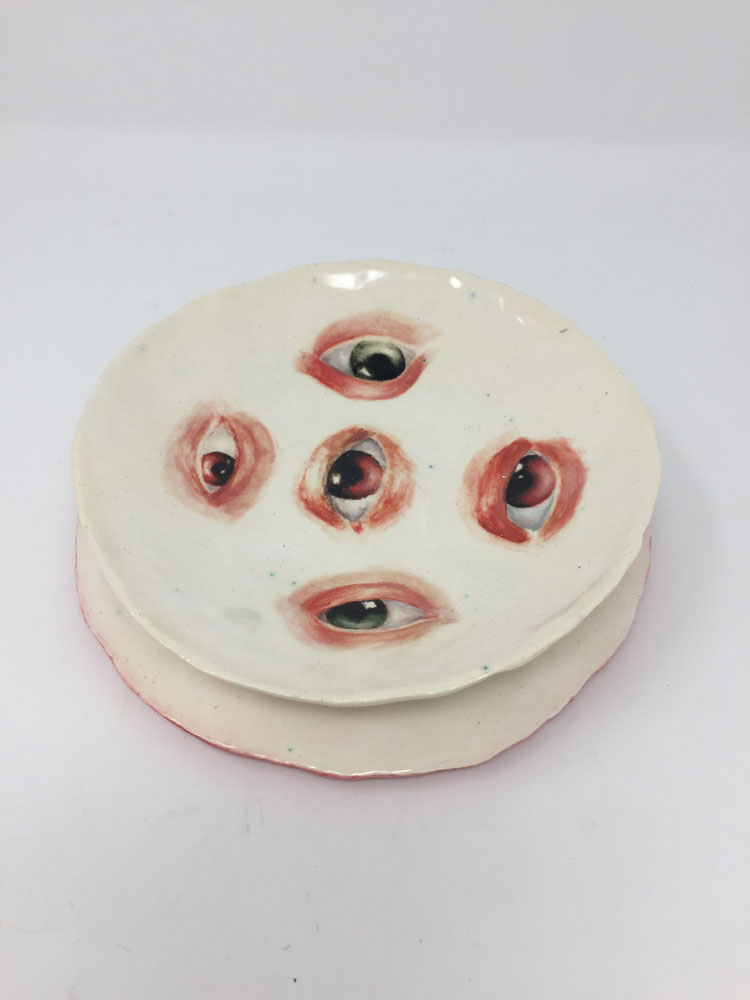

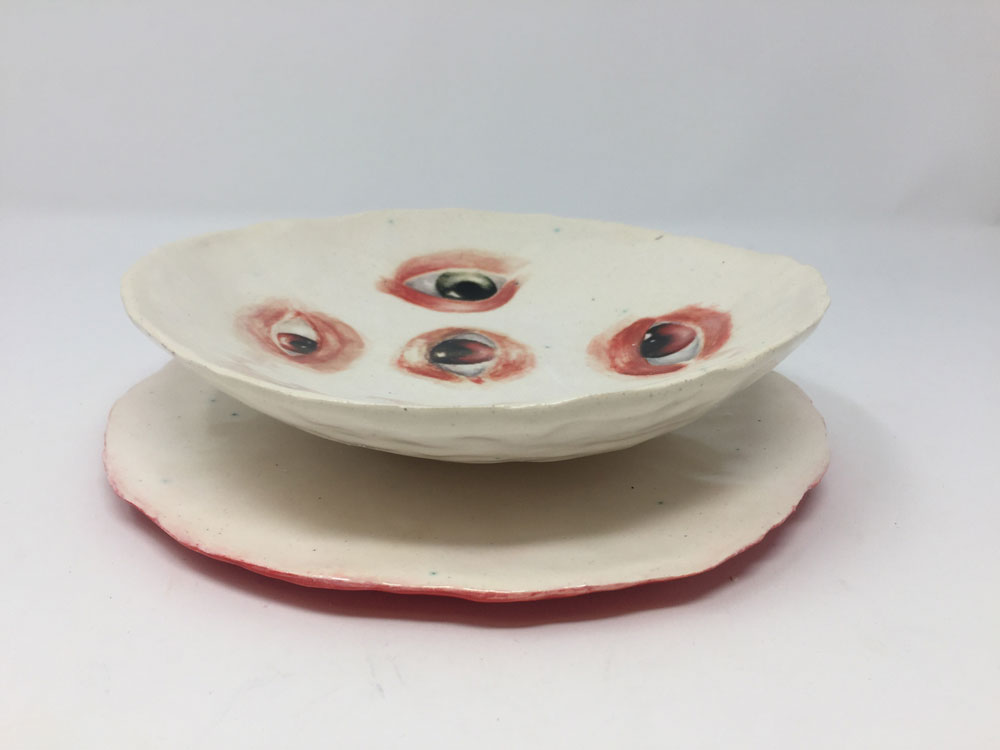
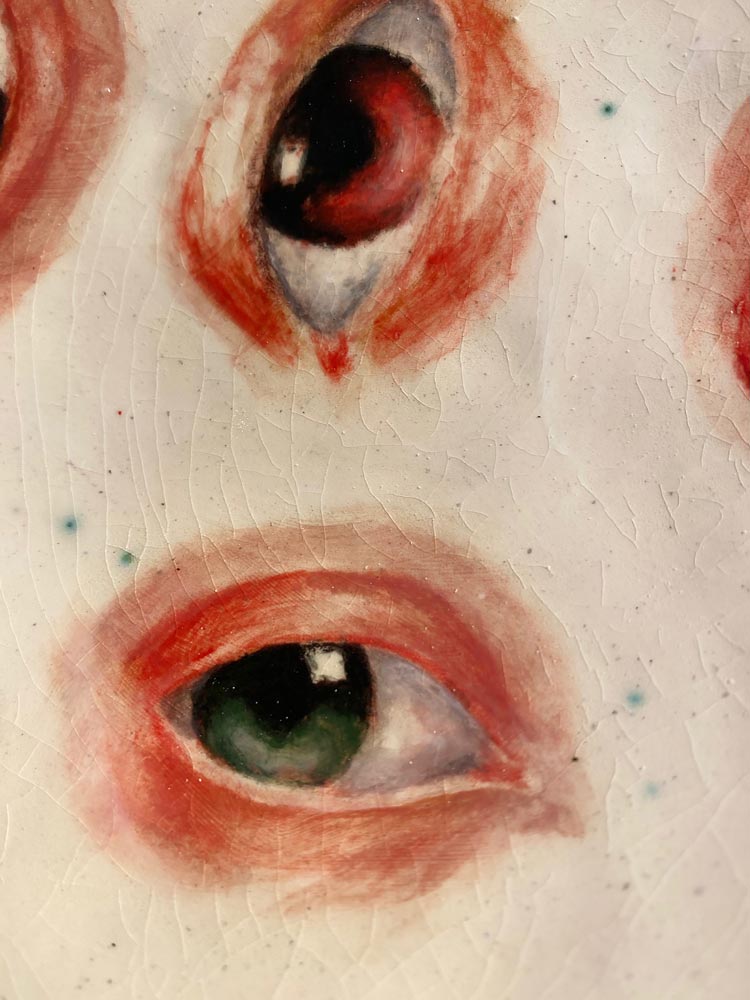
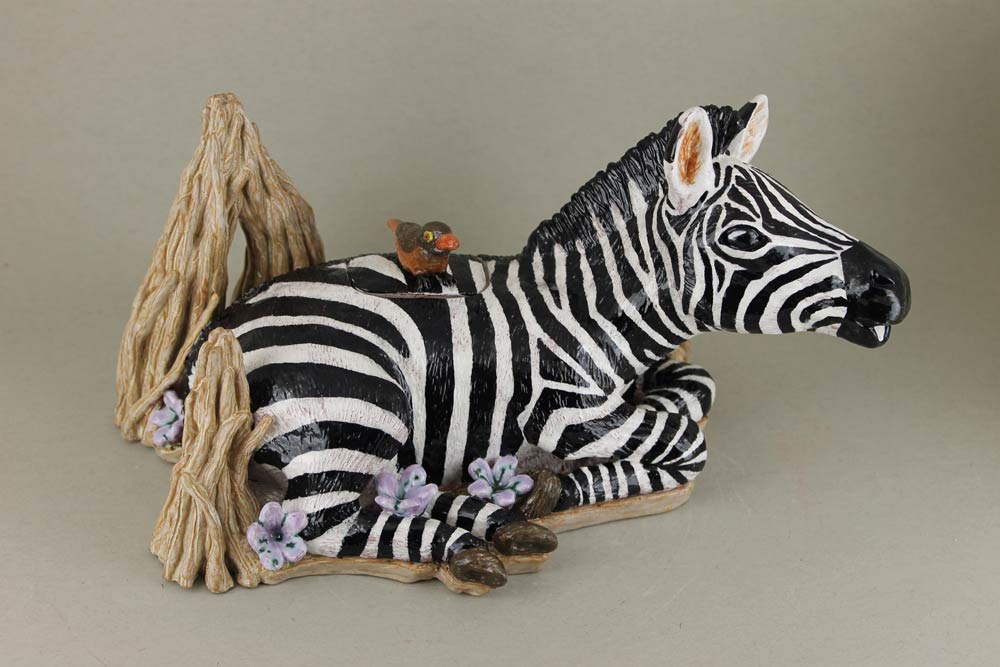
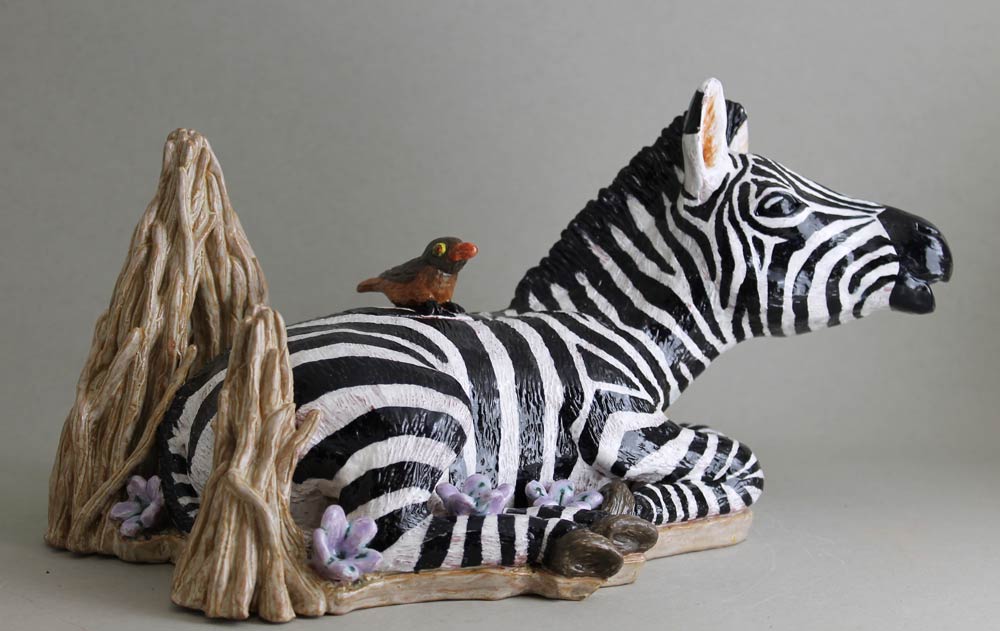
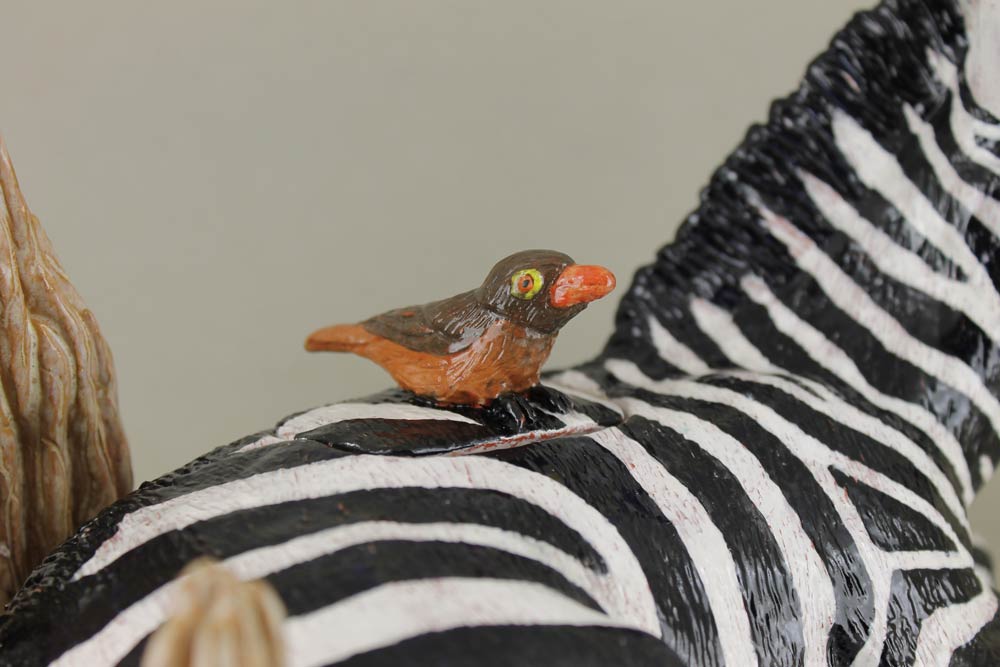
Elee Sharp, Zebra Teapot. Silver Key. Grade 11, Ft Atkinson High School, Angie Szabo, instructor

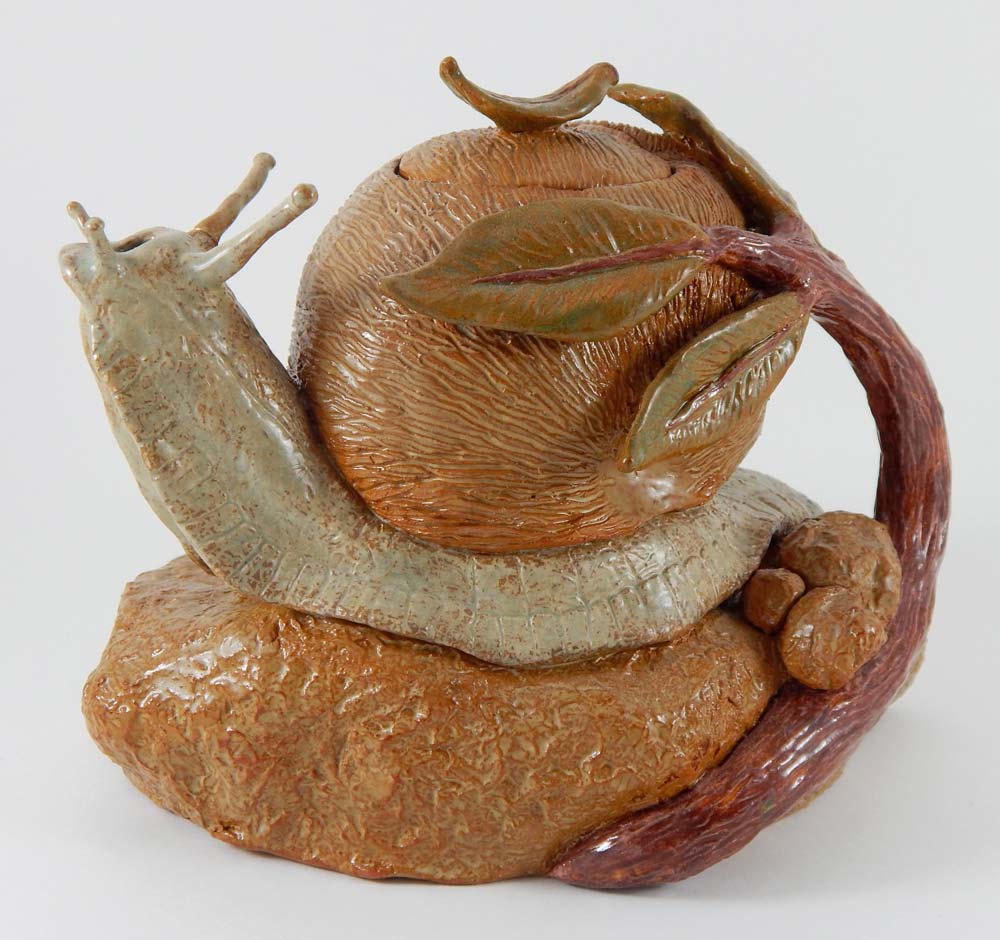
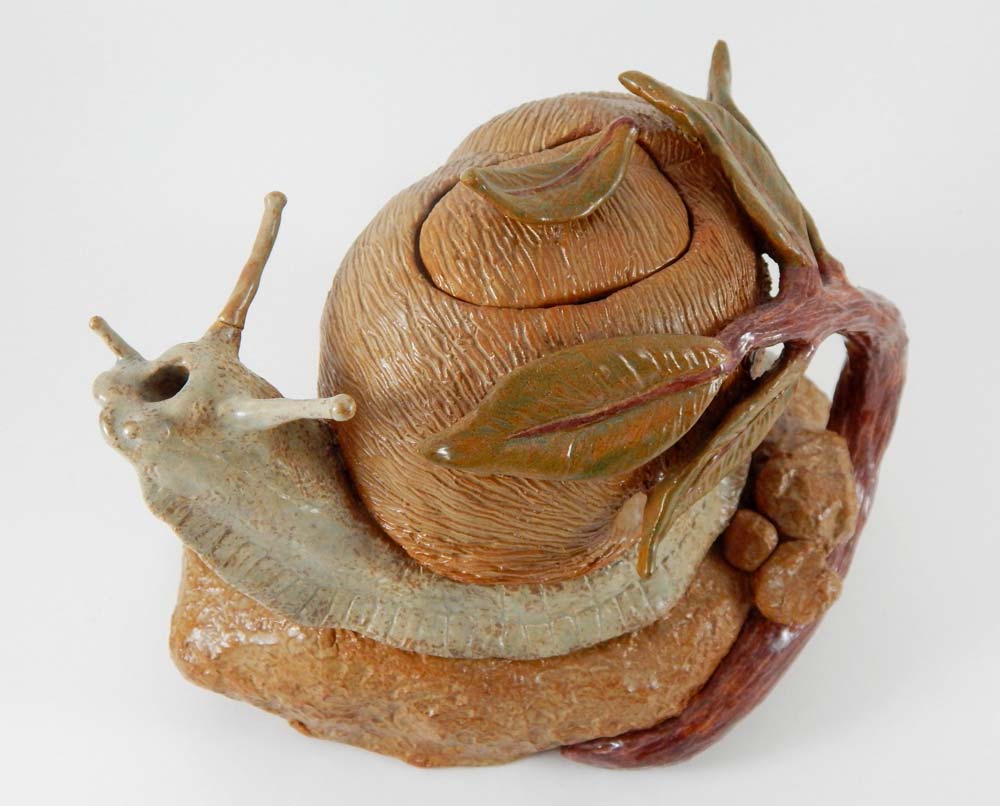
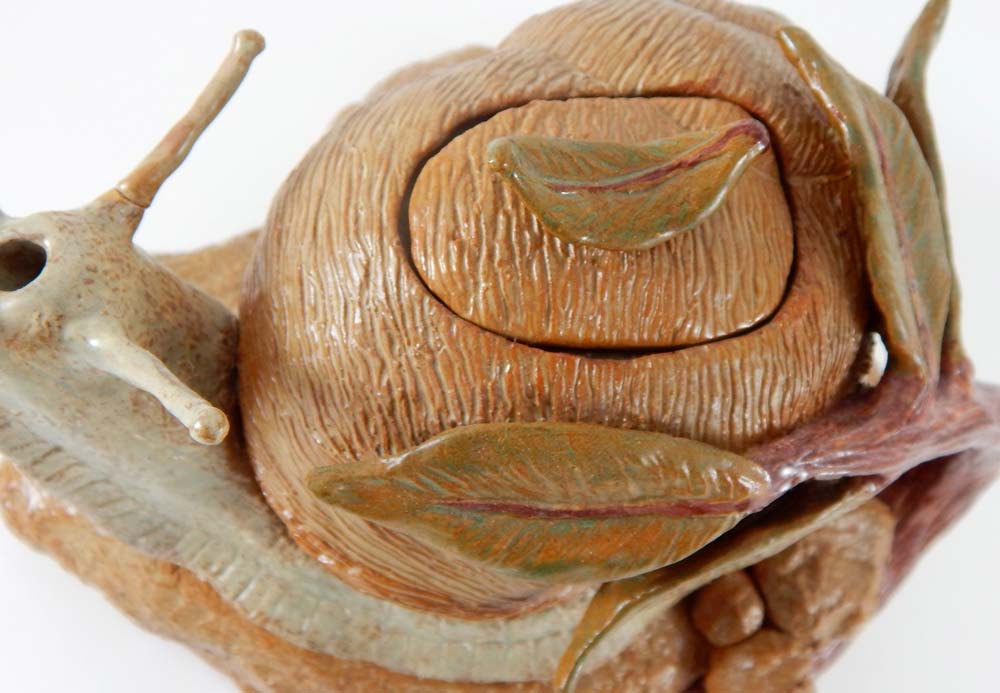
Jessica Sharp, Snail Teapot. Gold Key. Grade 11, Ft Atkinson High School, Angie Szabo, instructor
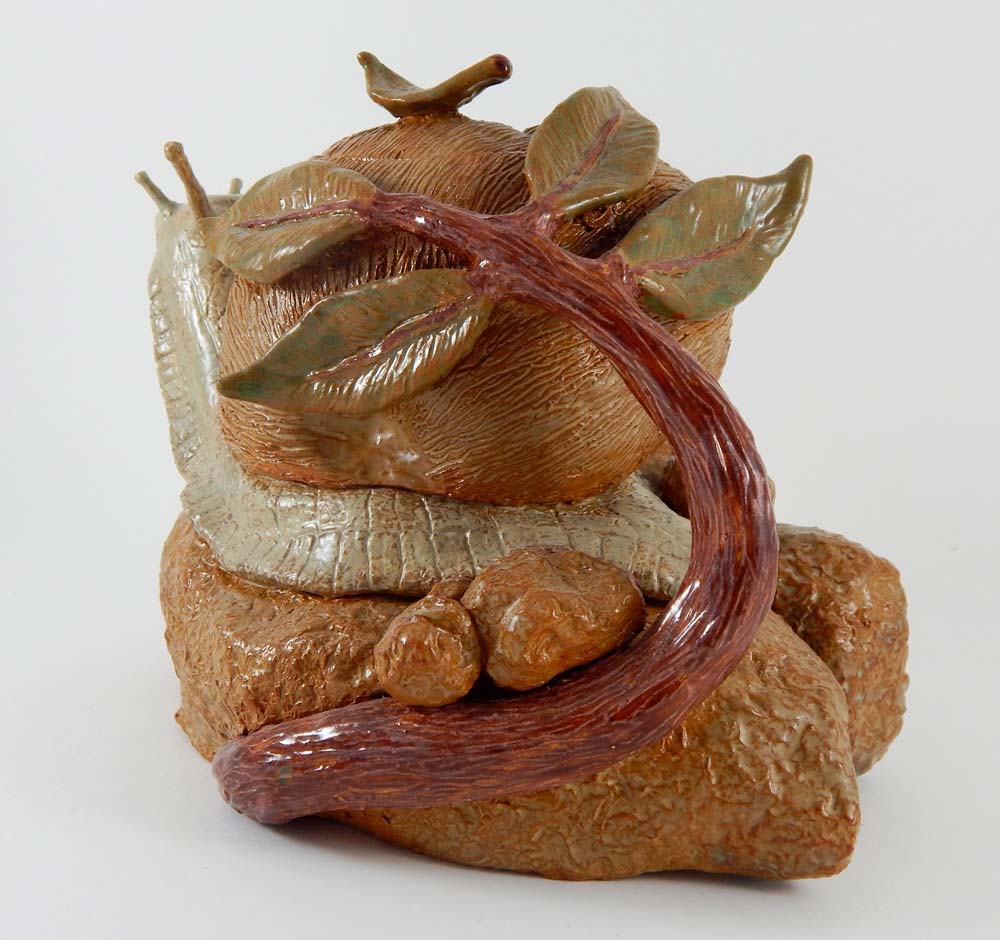
Jessica Sharp, Growing Through Bricks. Silver Key. Grade 11, Ft Atkinson High School, Angie Szabo, instructor

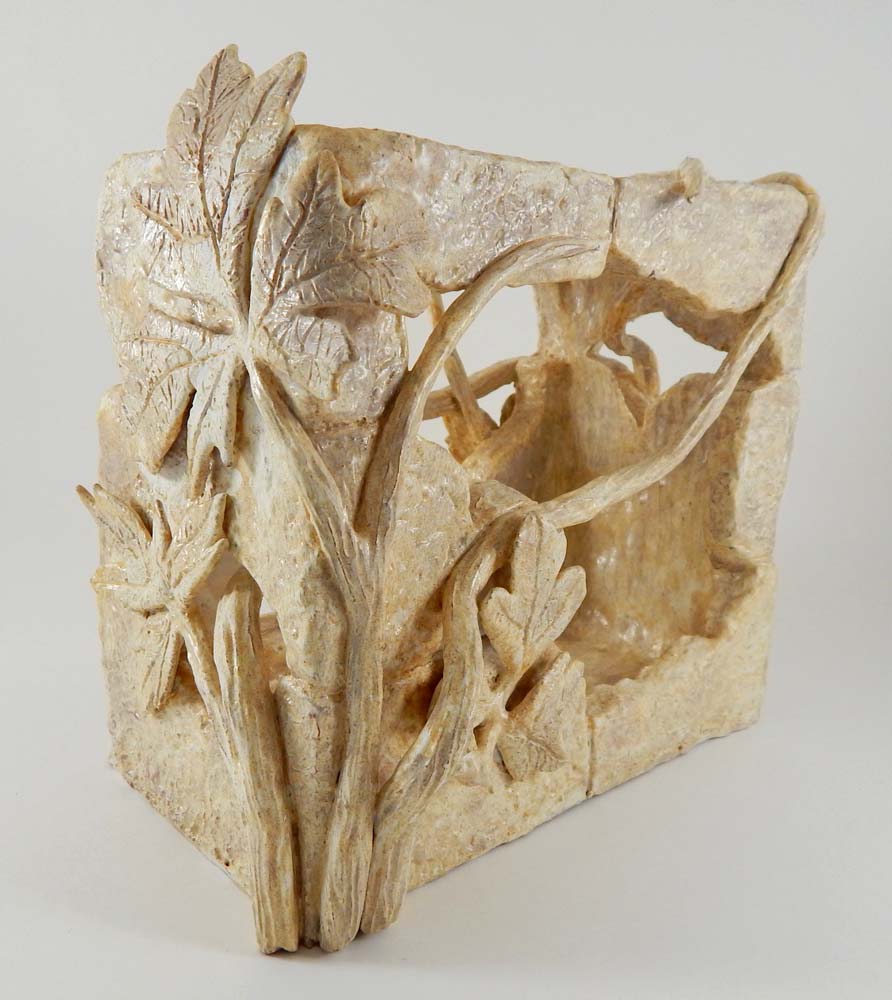
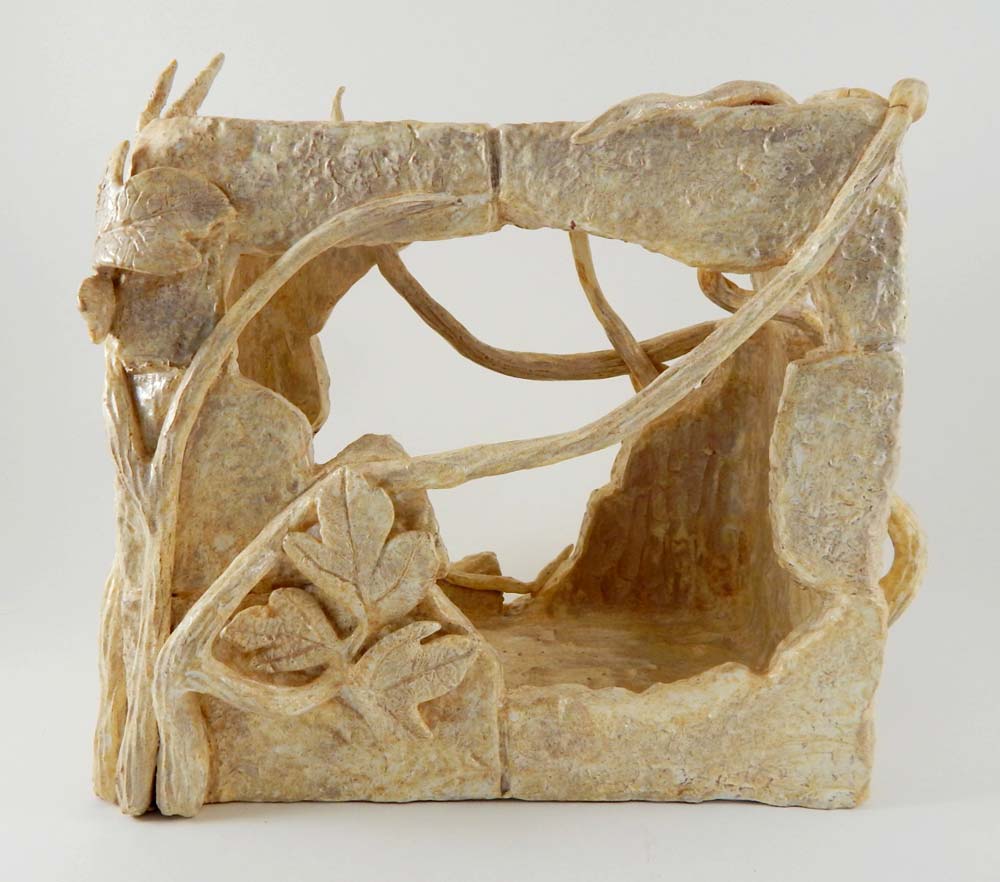

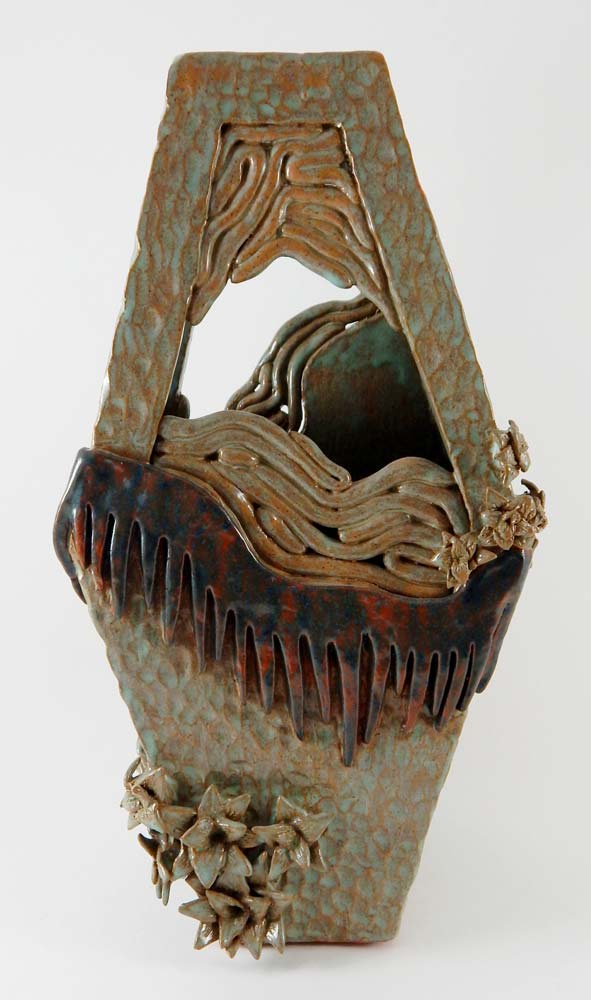
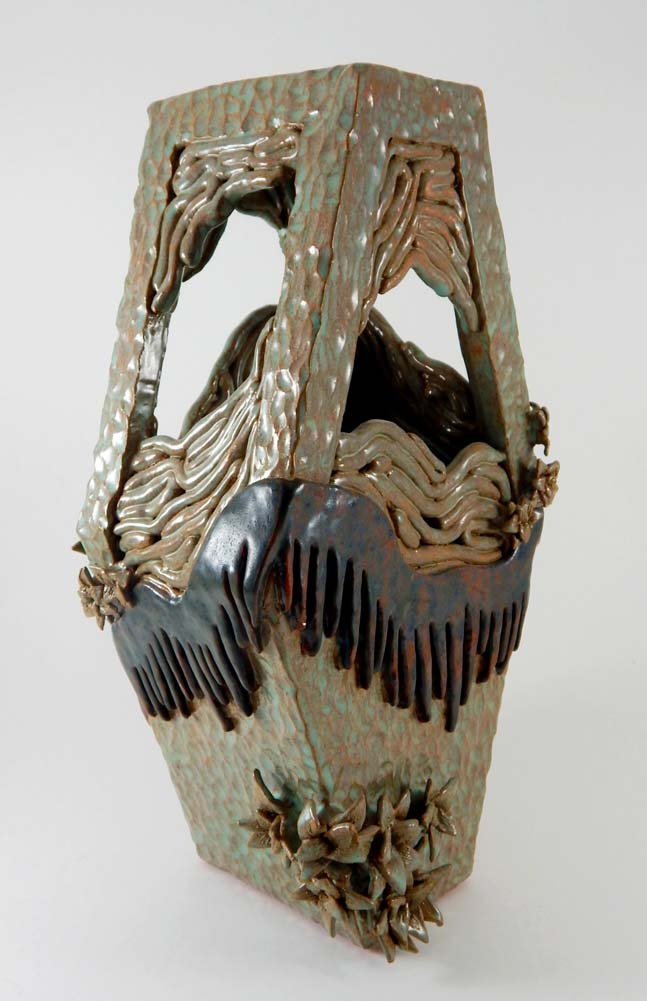
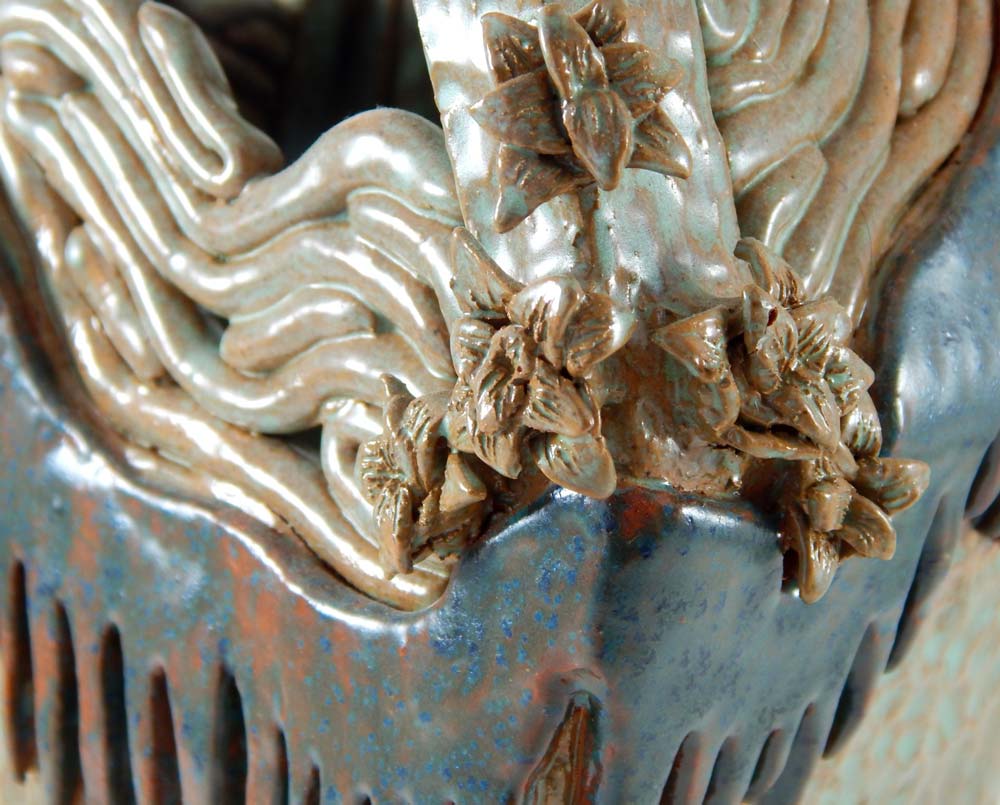
Jessica Sharp, Green Vessel With Flowers. Silver Key and Alice Steuck Konkel Award. Grade 11, Ft Atkinson High School, Angie Szabo, instructor
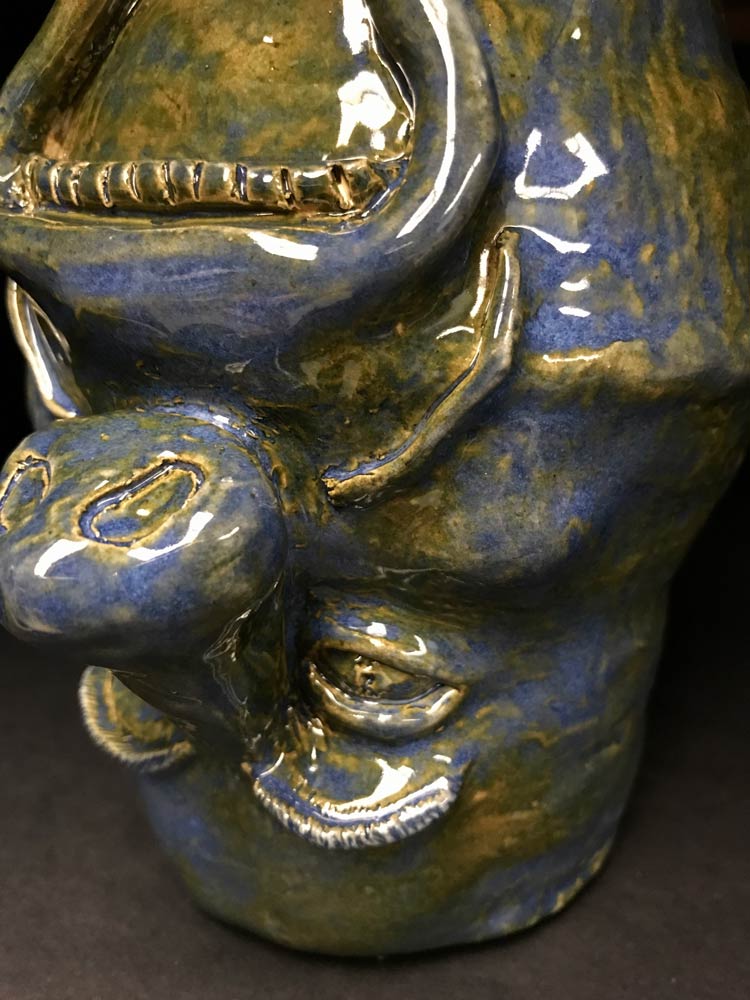
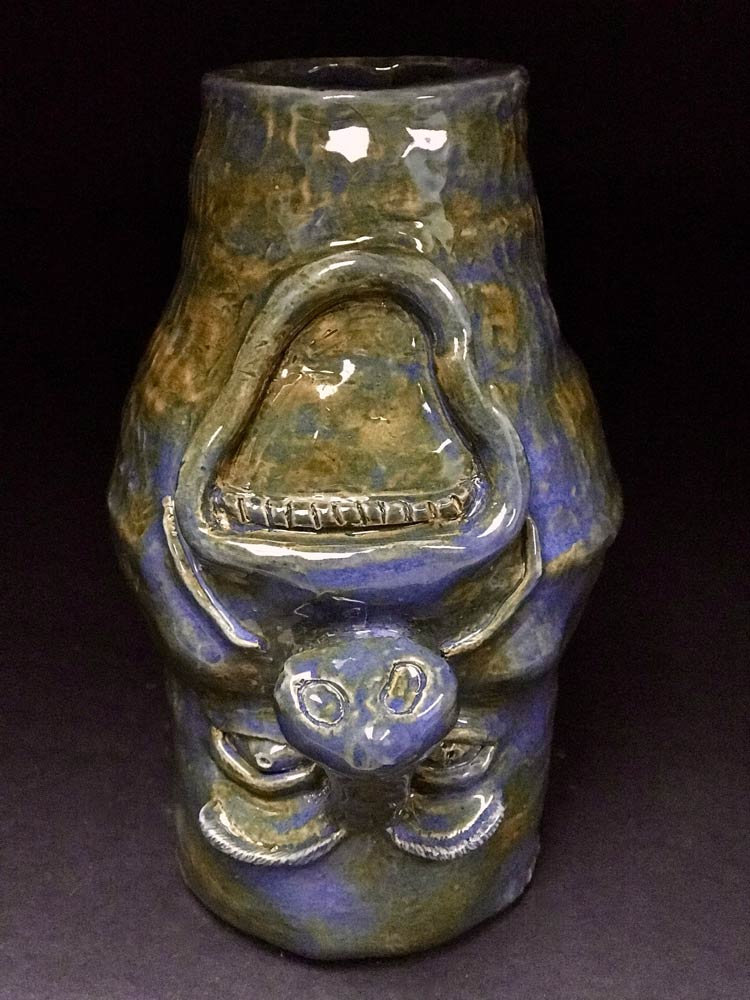
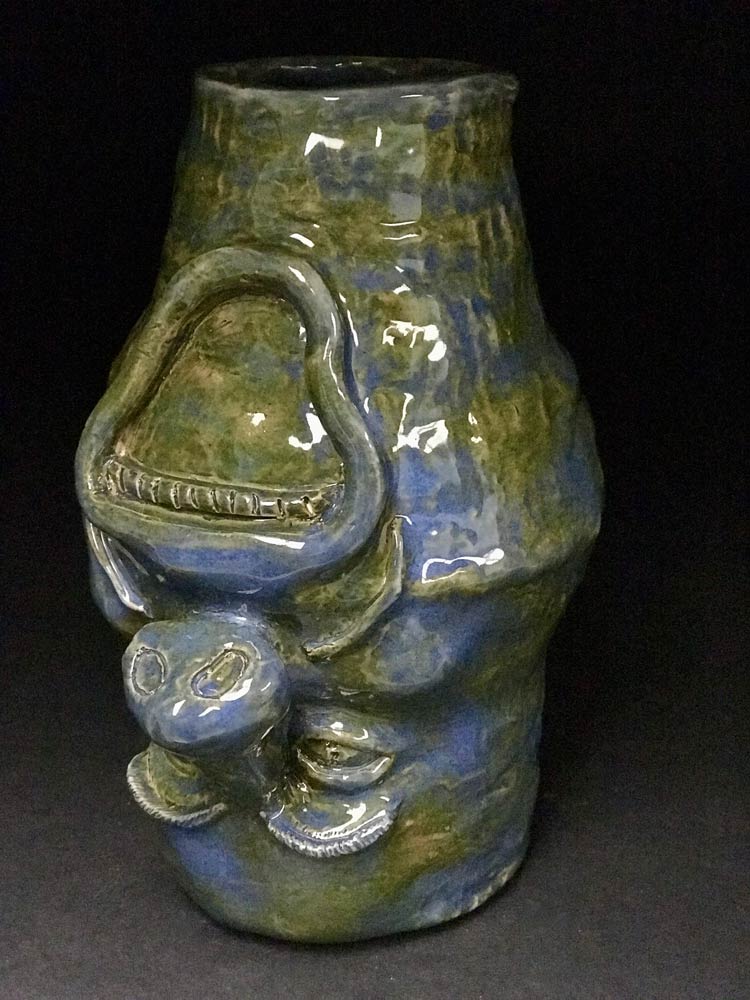
Leah Pollen, Face Pot. Silver Key. Grade 9, New Berlin Eisenhower Middle High School, Megan Baradic, instructor
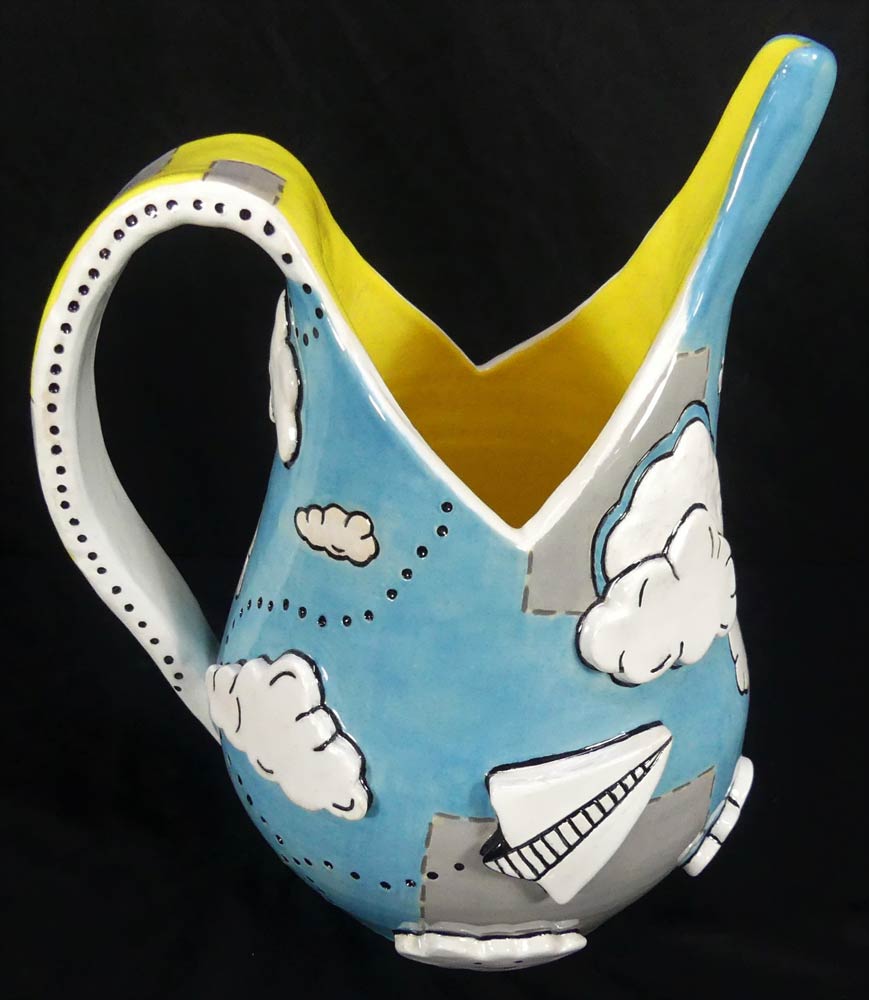
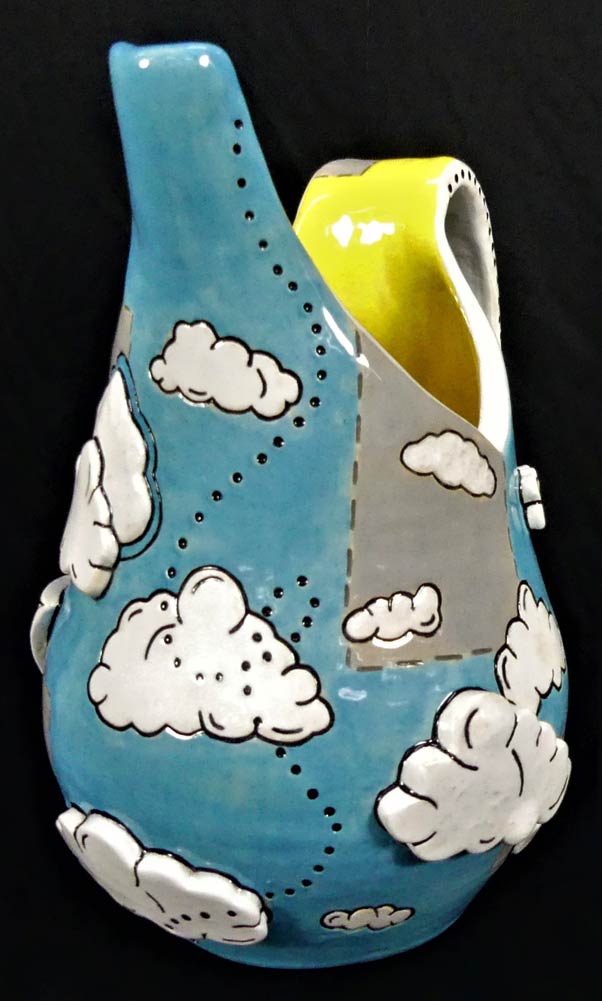
Lydia Stumpf, Clouds. Gold Key and Peter and Debra Johnson Award. Grade 10, Kimberly High School, Pete Greeninger, instructor
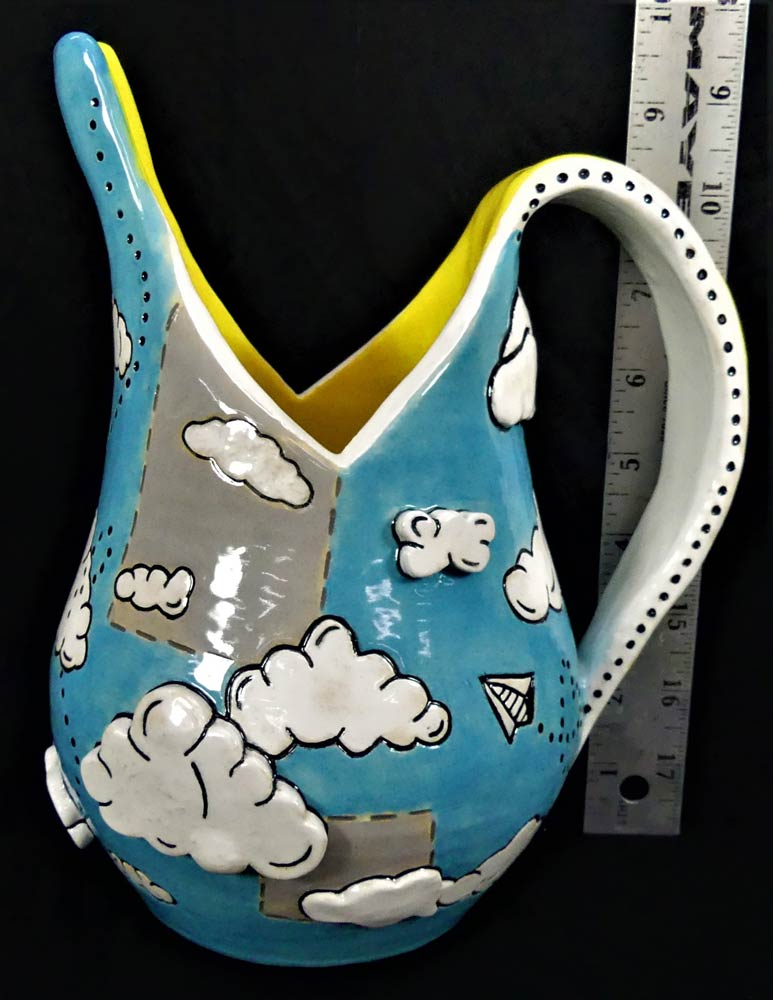
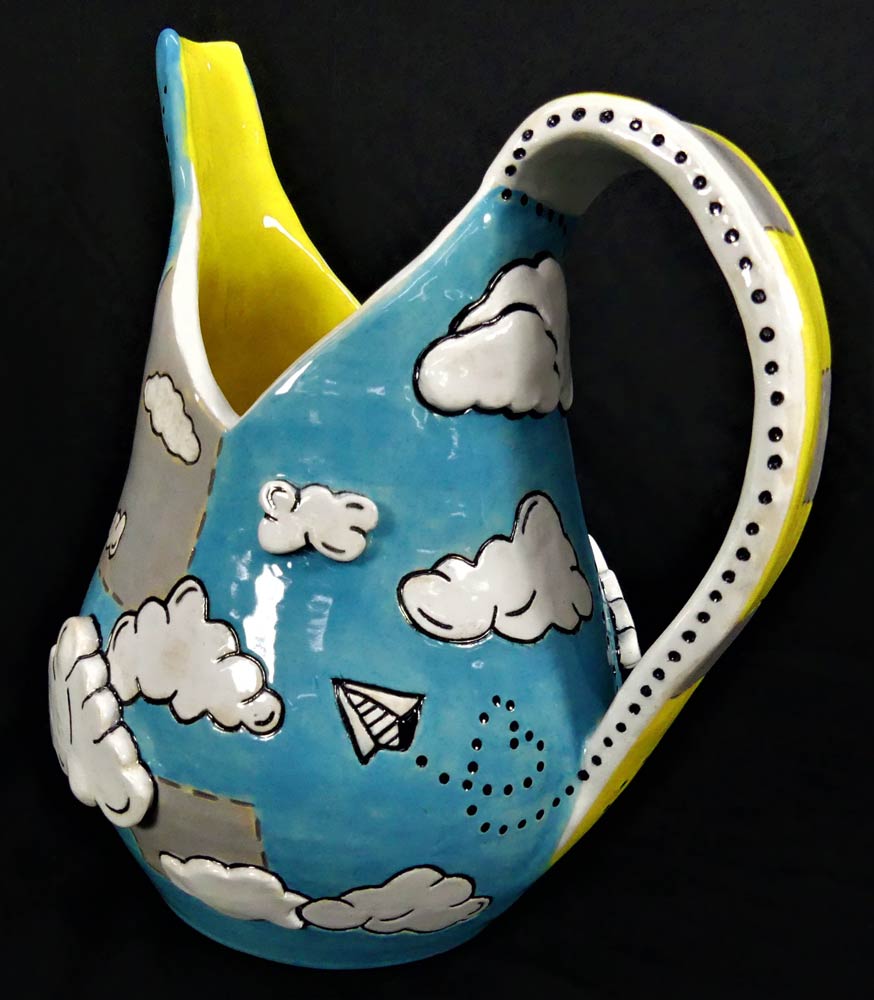
Madelynn Menna, Nyeti. Gold Key. Grade 9, New Berlin Eisenhower Middle High School, Megan Baradic, instructor
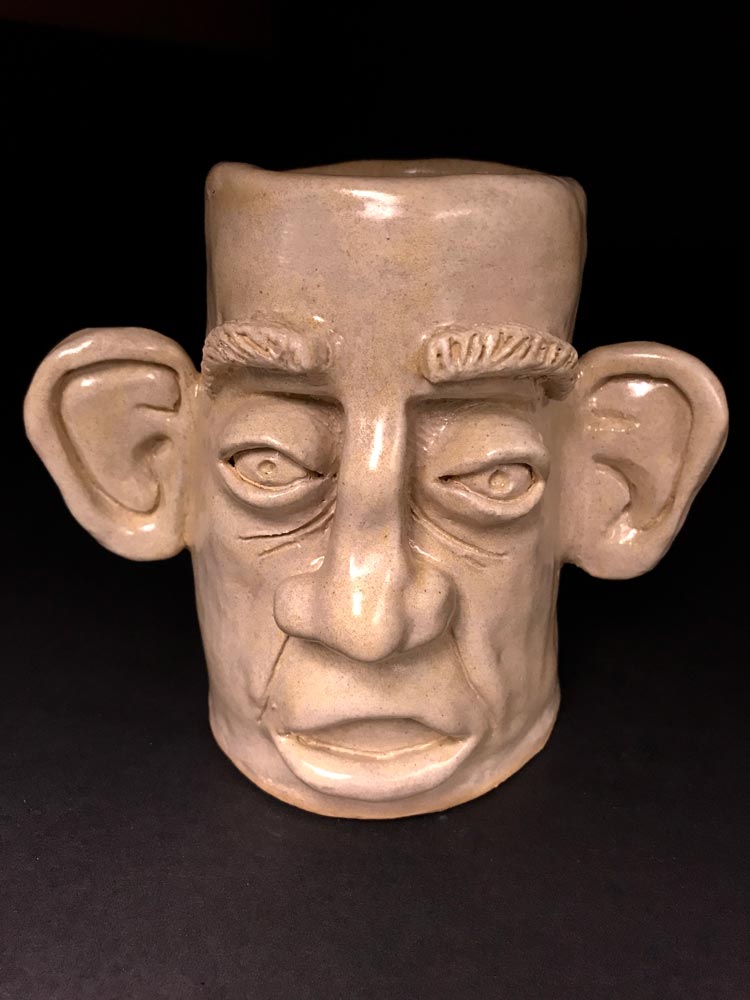

Sonja Stein, Stone Troll Vase. Silver Key. Grade 11, New Berlin West Middle High School, Nicki De Koch, instructor
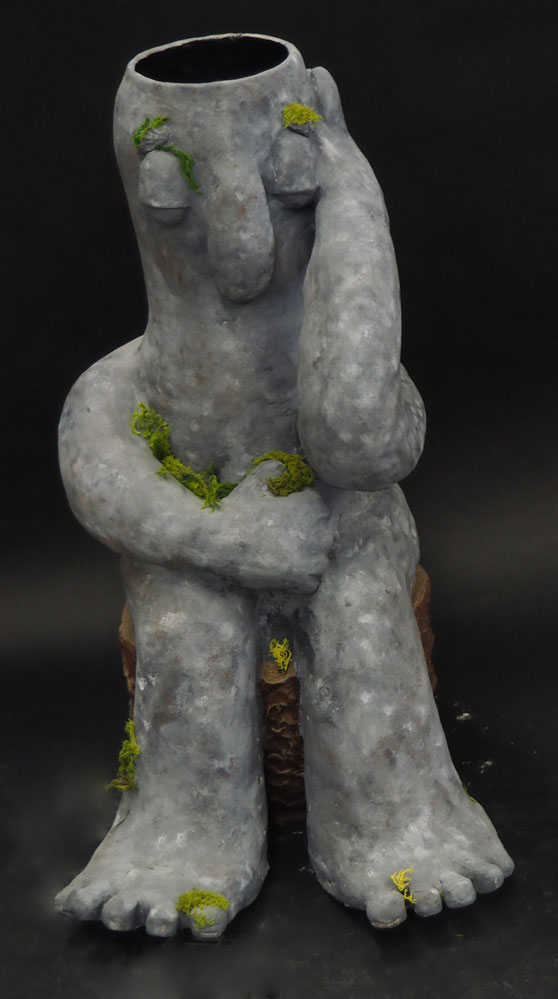


Taylor Gilbert, Valley Round House. Silver Key and Wisconsin Art Education Association Award. Grade 12, Oak Creek High School, Laura Dorow, instructor
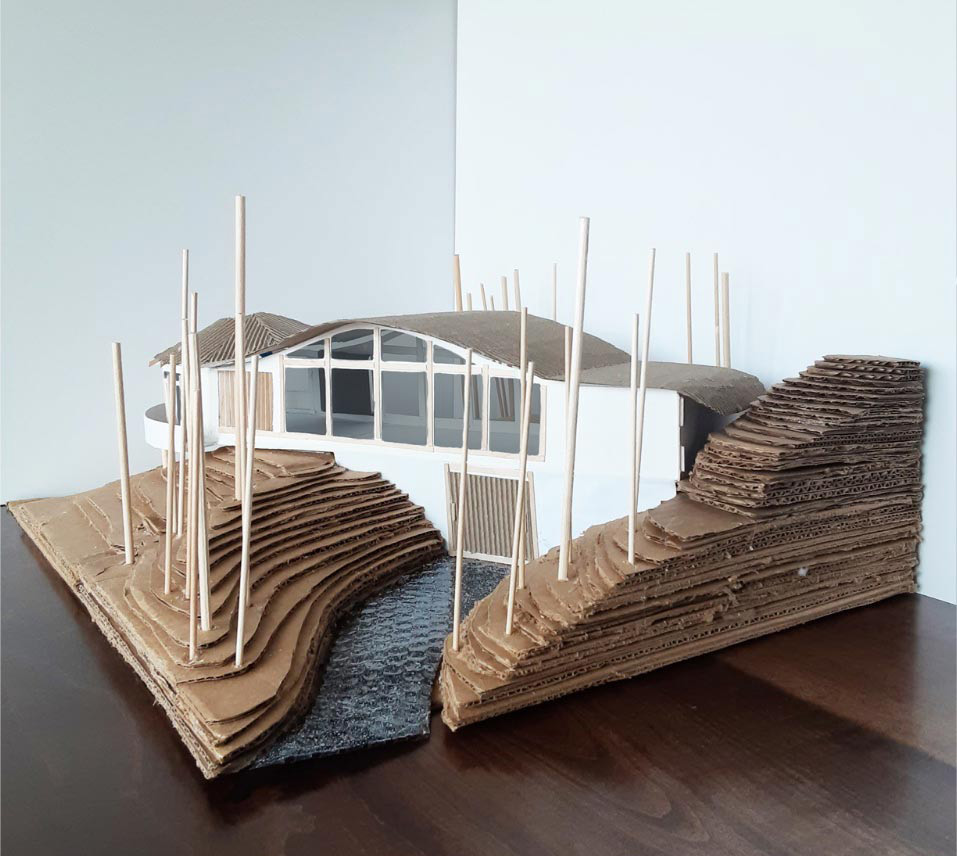


Taylor Gilbert, Winter Dome Home. Gold Key. Grade 12, Oak Creek High School, Laura Dorow, instructor


Alberto Rios is not only one of the Museum’s wonderful third-shift security officers; he is also a talented photographer. You may have seen some of his photos featured on the Museum’s social media pages. He captured this gorgeous sunrise on the East End and an image of Schroeder Galleria lit up for Pride Month, among other views of the Museum. Because he has such a great eye, and he has the unique opportunity to capture the Museum at a time when most are asleep, I asked if he would create a photo diary, taking viewers through one of his shifts. Get a behind-the-scenes—and somewhat eerie—look at the Museum (after dark!) below.
—Erin Aeschbacher, associate content writer

Did you know that the Museum’s Windhover Hall was named after one of donor Harry Quadracci’s favorite poems: The Windhover (published 1918) by Gerard Manley Hopkins? Read the full poem, and hear the work read aloud by Alicia Rice, Kohl’s Art Generation Community Relations Coordinator.

On Wednesday, September 16, we invited the Museum’s social media followers to ask the curators anything—and they delivered! Check out some of the questions and responses below.

July marked the thirtieth anniversary of the Americans with Disabilities Act. July was also when the Museum reopened to the public after being closed for four months to help slow the spread of COVID-19. The pandemic has necessarily brought new attention to concerns about safety and access—something that Museum docent Mauree Childress, who uses a wheelchair, said “people with disabilities have top of mind whenever they leave home—pandemic or not.” Based on conversations we’ve had over the years, I invited Mauree to write about her experience as a person with a disability who frequents the Museum—and what the anniversary of the ADA meant to her.
—Amy Kirschke, director of adult, docent, and school programs

Did you miss Kohl’s Art Generation Family Sundays at Home: Animals in Art? No worries! We’ll be featuring some of our favorite activities from the virtual event in the coming weeks.
Learn to paint birds with Liala.


American artist Al Held (1928–2005) was an abstract painter, most famous for his large-scale, geometric works. His paintings are full of circles, squares, cubes, and other geometric shapes and forms that overlap. In the painting below, he used a masking technique to create lines with sharp edges. He masked (covered) the white sections with tape and painted the remaining sections black.
Here’s how you can make your own geometric painting using materials you may already have at home: