
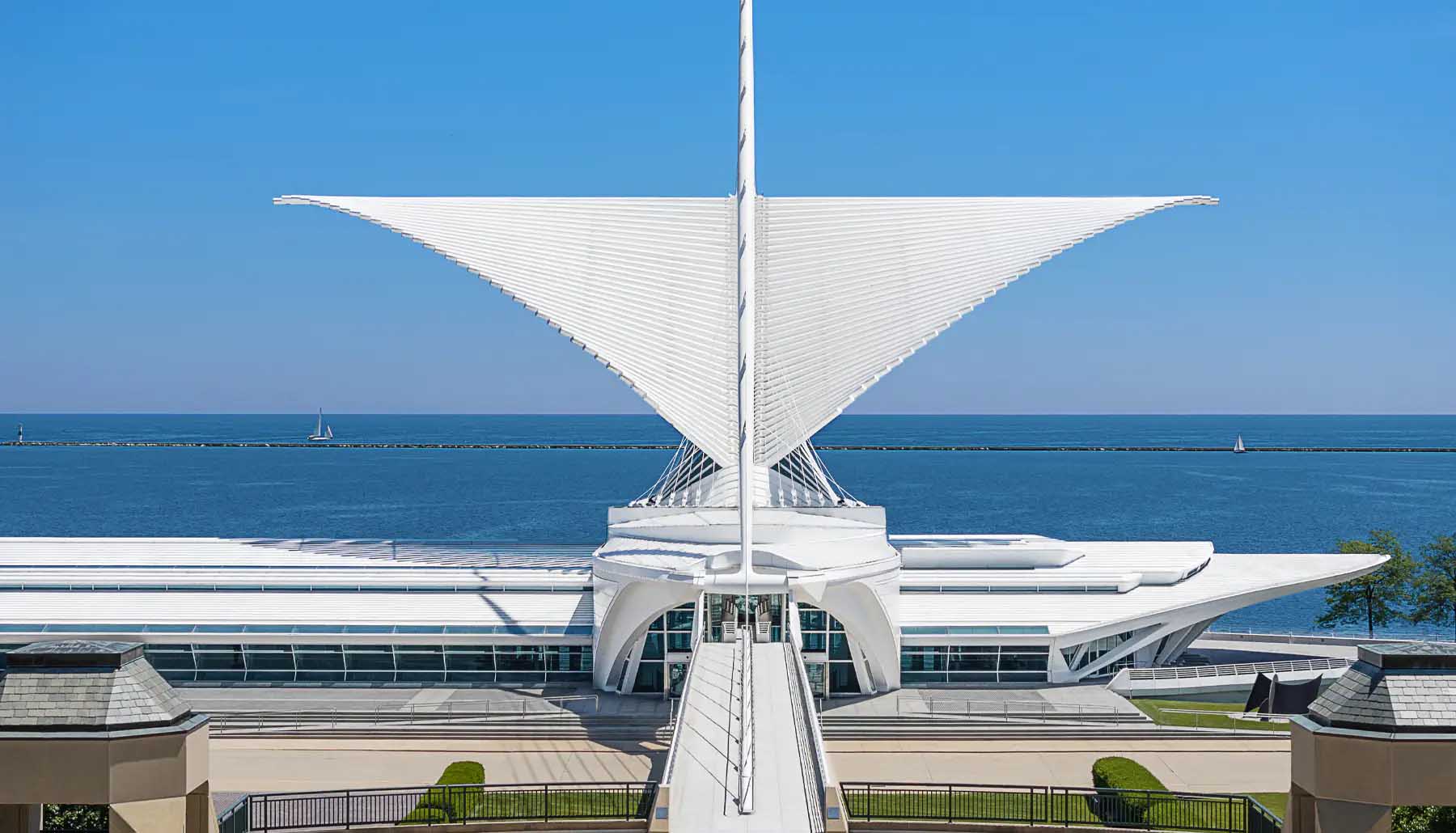
Andy Nunemaker, Board Chair, reflecting on the enduring impact of the Quadracci Pavilion on Milwaukee’s physical and cultural landscape.
Twenty-five years ago, Milwaukee made a bold choice.
At the edge of Lake Michigan, the city invested in something that could not be measured solely in square feet, attendance figures, or construction costs. It invested in a vision.
When the Santiago Calatrava-designed Quadracci Pavilion opened in 2001, it transformed the Milwaukee Art Museum physically, expanding gallery space and creating new opportunities for exhibitions and programs. But from the beginning, the visionaries who brought the project to life aspired to create something bigger than the building itself.
Museum leaders at the time believed that great cities deserve great cultural institutions. The Pavilion was envisioned not only as an architectural landmark, but as a welcoming place where people could encounter art, connect with one another, and experience the creative energy of Milwaukee. As former Museum Director Russell Bowman wrote, the goal was to create a gathering place that would bring both extraordinary works of art and meaningful experiences to the community.
The impact was immediate. The soaring white structure quickly became a symbol of Milwaukee itself, recognized around the world and embraced at home as an expression of the city’s confidence, creativity, and forward-looking spirit. Even before it opened, many saw it as a sign of what Milwaukee could become.
Today, that vision continues to unfold.
What began as an ambitious investment in Milwaukee’s future has become a place where people gather, ideas take shape, and creativity thrives. As the city continues to evolve, the Pavilion stands as a reminder that a community galvanized by art and architecture can create an enduring legacy where its greatest impact is not what it has already accomplished, but what it continues to build together.
Built to inspire. Then and now.
Continue reading

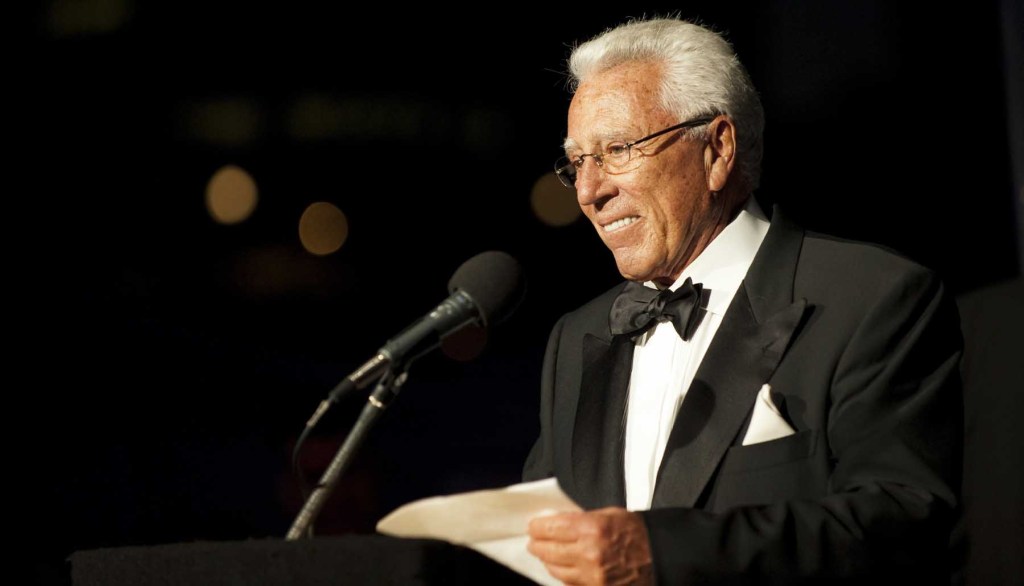




Image: Photo by Front Room Studio