
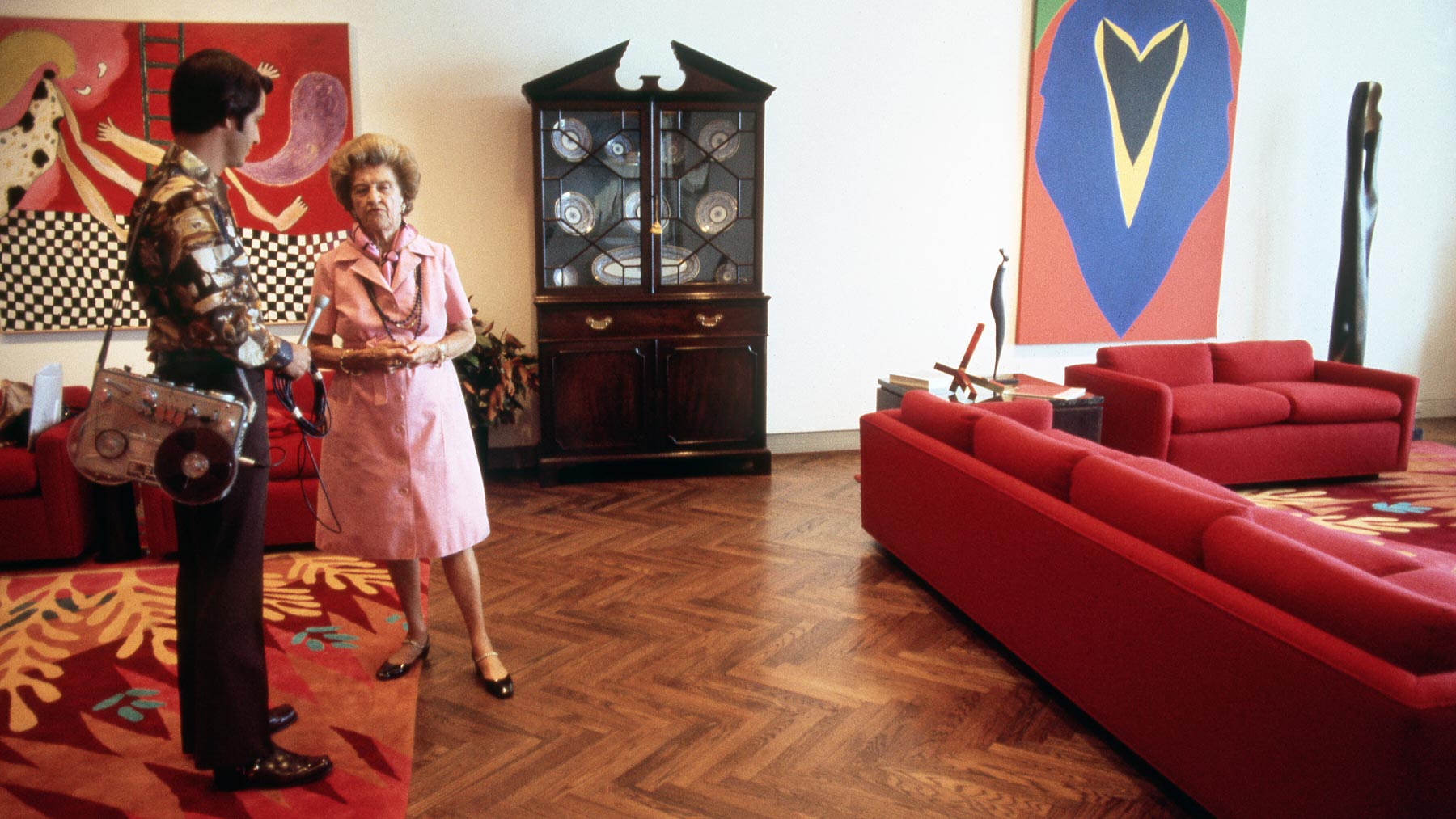
Celebrating 50 years of Peg Bradley’s extraordinary gift of 20th-century masterpieces that shaped the Museum’s collection and Milwaukee’s cultural landscape, The Bradley Collection of Modern Art: A Bold Vision for Milwaukee opens to Members on September 25.
Liz Siegel, chief of curatorial affairs, introduces us to Mrs. Harry Lynde “Peg” Bradley, a prominent Milwaukee-based philanthropist and prolific art collector who built a substantial collection of modern art.
Warhol’s iconic soup cans. The Picasso painting. All those O’Keeffes! How did some of your favorite works at the Museum come to be in the collection? Now there’s a great story. Let me introduce you to Mrs. Harry Lynde Bradley, known to all as Peg.
A 1970 profile of Peg Bradley in the Milwaukee Journal described her as a woman of inexhaustible zest—a savvy businesswoman in the fashion world, witty and warm, who swam several times a day and never revealed her age. Two words defined her best, her friends said: taste and commitment. Her keen eye was evident in her fashion sense and her art collecting, and her civic spirit continues to be felt at the Museum today.
Peg managed—and later purchased—Zita Inc., an elegant fashion boutique she expanded to additional locations in Milwaukee and Naples, Florida. Buying trips took her to New York and Paris, where she encountered some of the most important art of the 20th century. Her husband, Harry Lynde Bradley, cofounded the Allen-Bradley Company.
Building her collection on a mix of expert advice and gut instinct, Peg chose works that gave her a visceral jolt or made her smile. She believed art was meant to be lived with, and filled her homes, shops—and even the homes of friends who borrowed pieces—with French masters, German Expressionism, and American and European postwar abstraction. At the Bradleys’ River Hills estate (now the Lynden Sculpture Garden), paintings covered the walls, floors, chairs, and tables, and smaller works lined the indoor pool. Once Peg decided to donate her collection to the Museum, she started acquiring works scaled more for a museum than a private home. Few paintings would fit over a fireplace, and many of her sculptures were too large for interior spaces.
Peg’s decision to give her entire collection to the Museum marked her commitment to the Museum and the city. She said she wanted the art to be at her hometown museum so everyone could enjoy it. Her gift prompted the Museum’s much-needed expansion; she not only contributed seed money but also inspired widespread community support. When the new wing opened in 1975, it included a private apartment for Peg, where she welcomed guests and encouraged others to become donors.
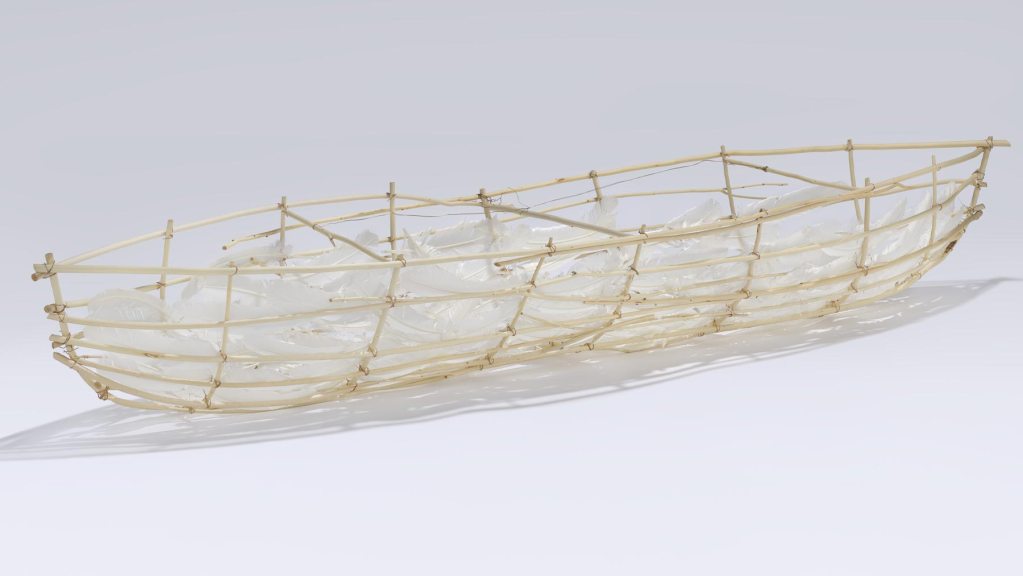
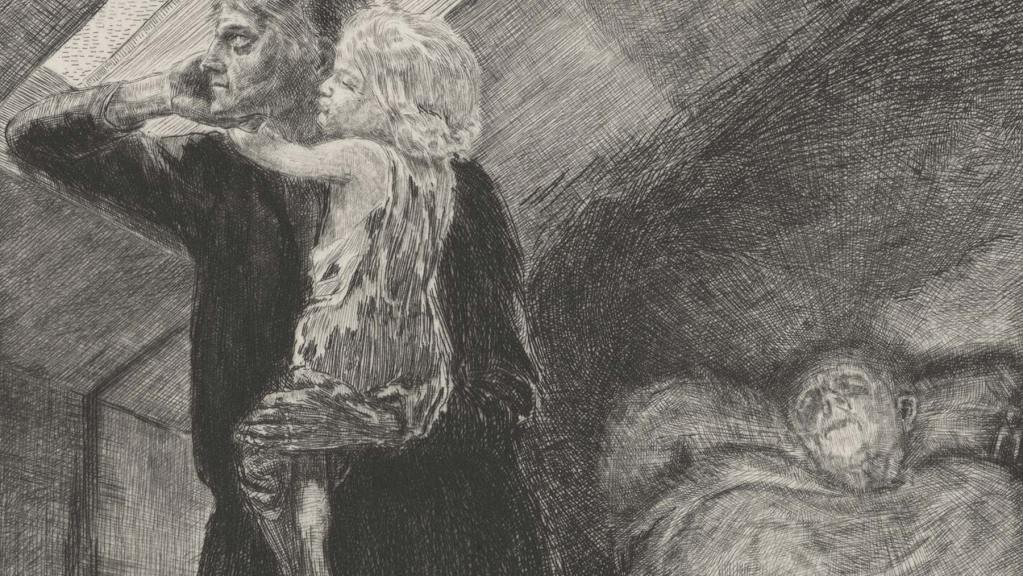
Now, 50 years later, The Bradley Collection of Modern Art: A Bold Vision for Milwaukee commemorates the anniversary of Peg’s monumental act of philanthropy. We further celebrate a new generation of collectors inspired by her legacy. Looking Forward: New Gifts of Art features recent and promised gifts—prints, drawings, photographs, paintings, sculpture, and design objects—that expand the stories the Museum can tell. Peg Bradley left big (and very stylish) shoes to fill, and her impact still shapes our community today.
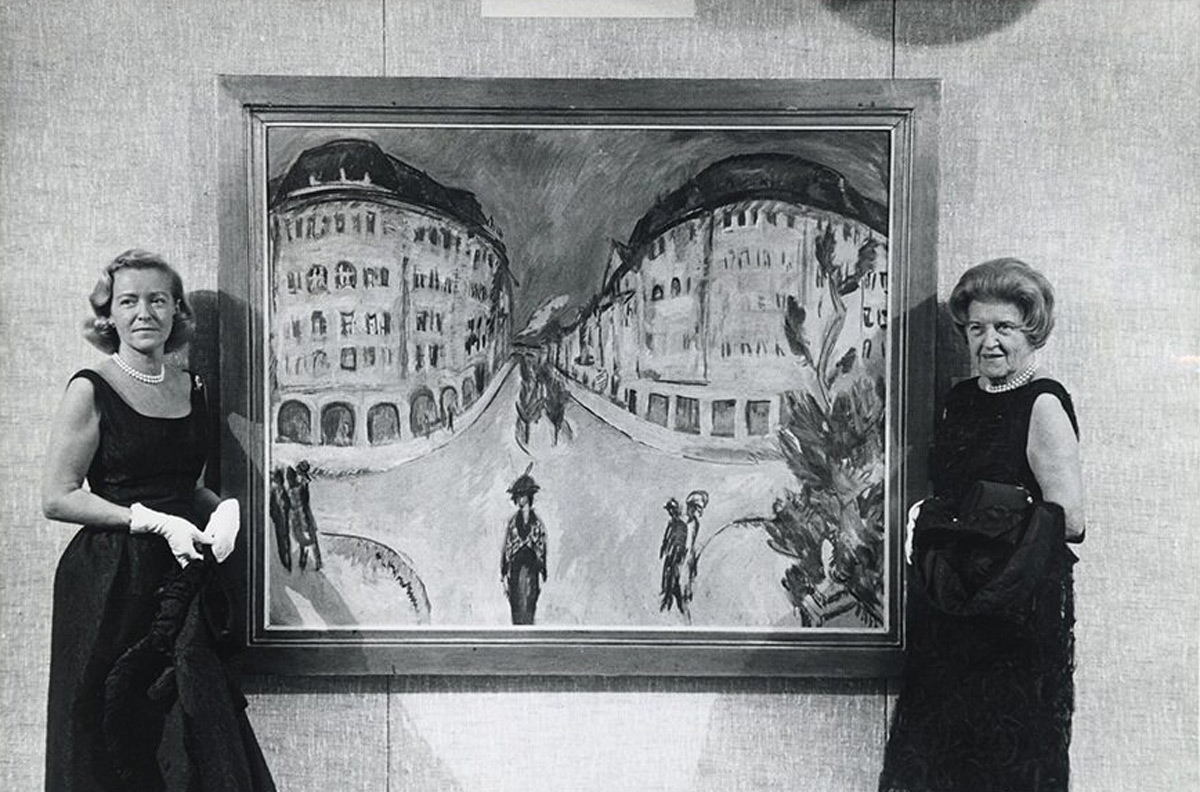
Street at Schöneberg City Park at the Milwaukee Art Center, 1965. Courtesy of the
Milwaukee Journal Sentinel.
Carefully Guarded: Bradley Faves
The Museum’s security guards likely spend more time with the art in the galleries than anyone. They move among the Museum’s treasures throughout the day, ensuring the safety of the artwork and our visitors. Each, no doubt, has that one work they’d take home if they could—whether the love was instant or developed over weeks, months, or even years! To celebrate the 50th anniversary since Peg Bradley’s transformative gift went on view to the public, the team shared that one work in the Bradley Collection they consider their fave.
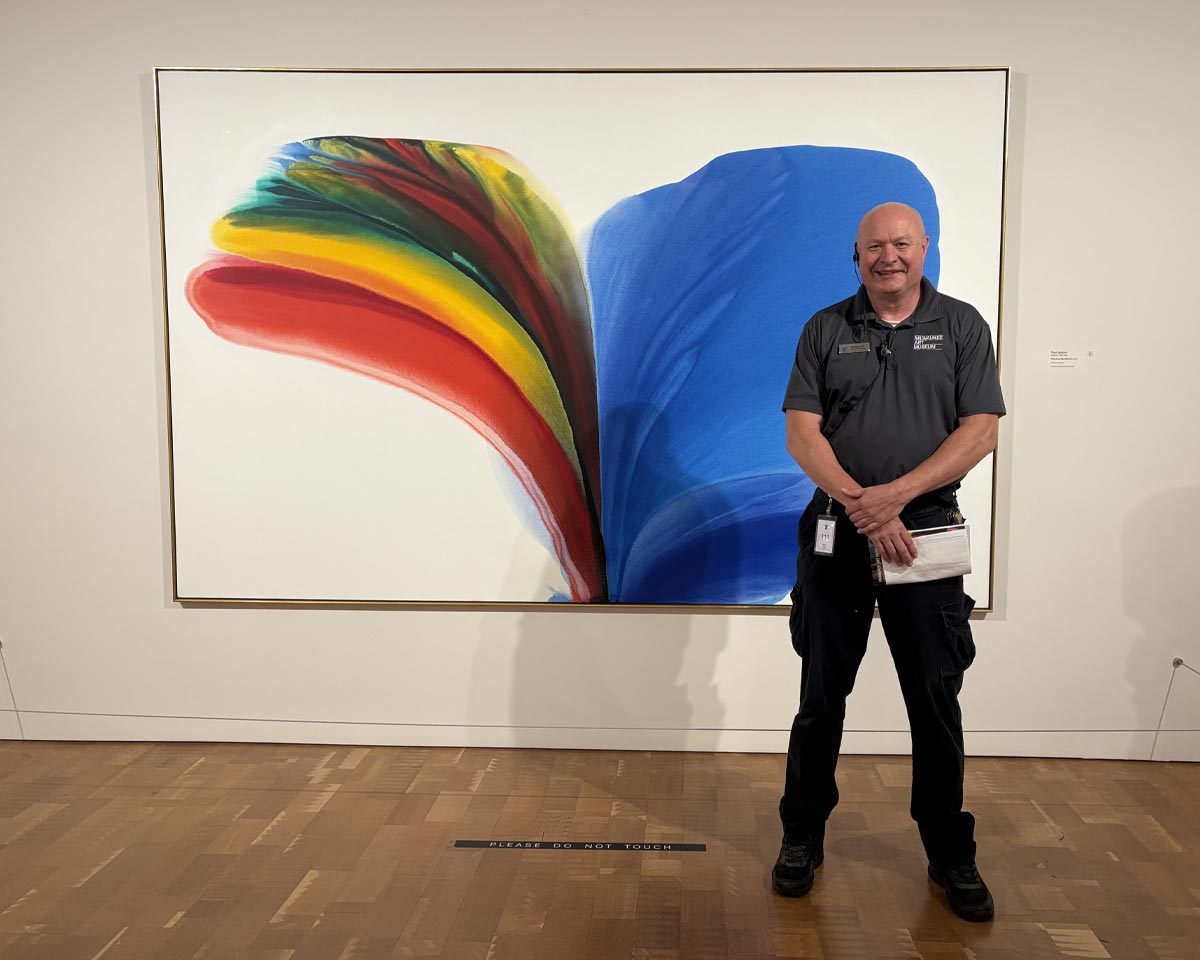
“I remember seeing this painting while on a class
trip to the Museum when I was a child. I remember being in awe of the huge splash of color, and it still sticks with me today.”
—Helmut Fritz, guard since 2024
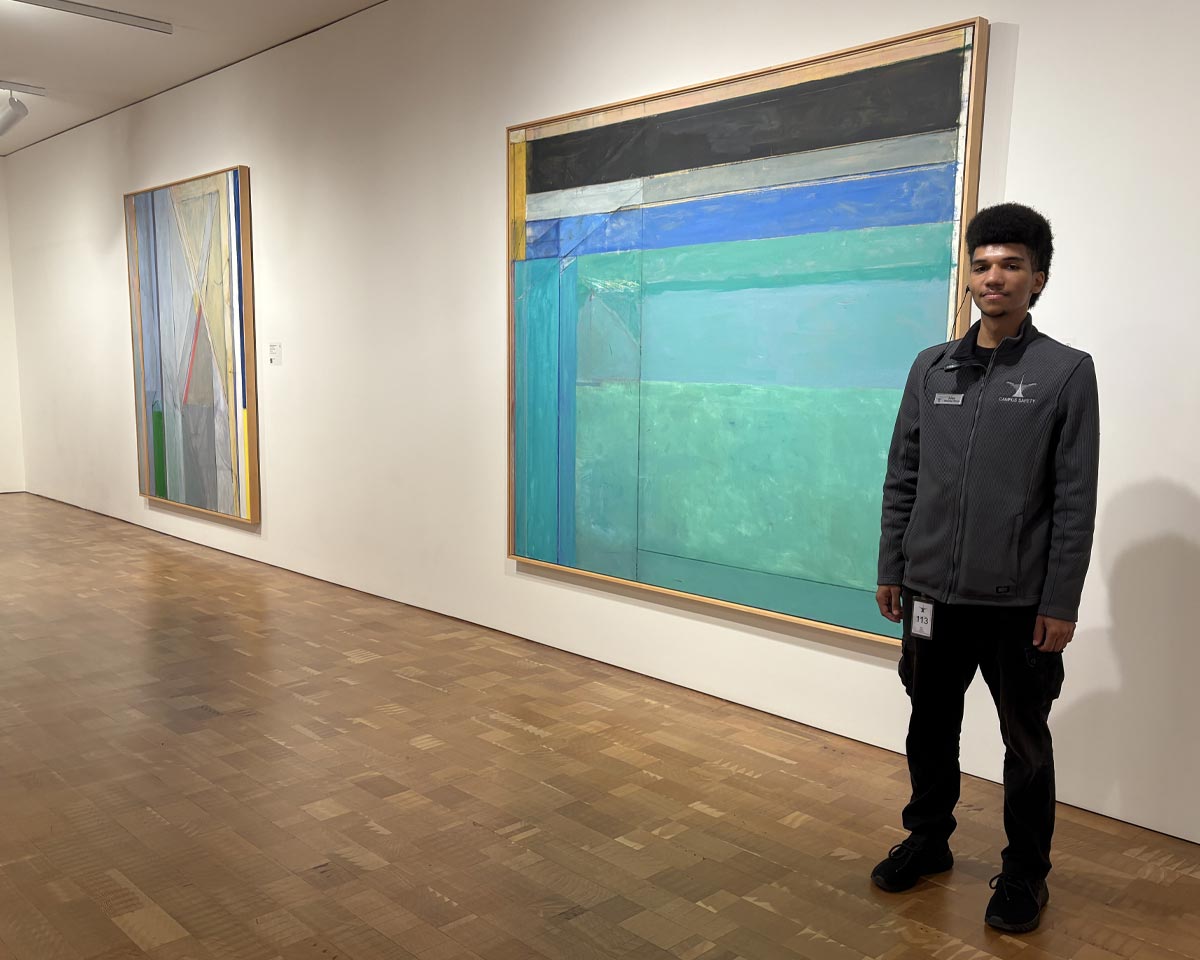
“When looking at this painting, it makes me feel like being in different places in time, acting kind of like a window.”
—Alex Clark, guard since 2022
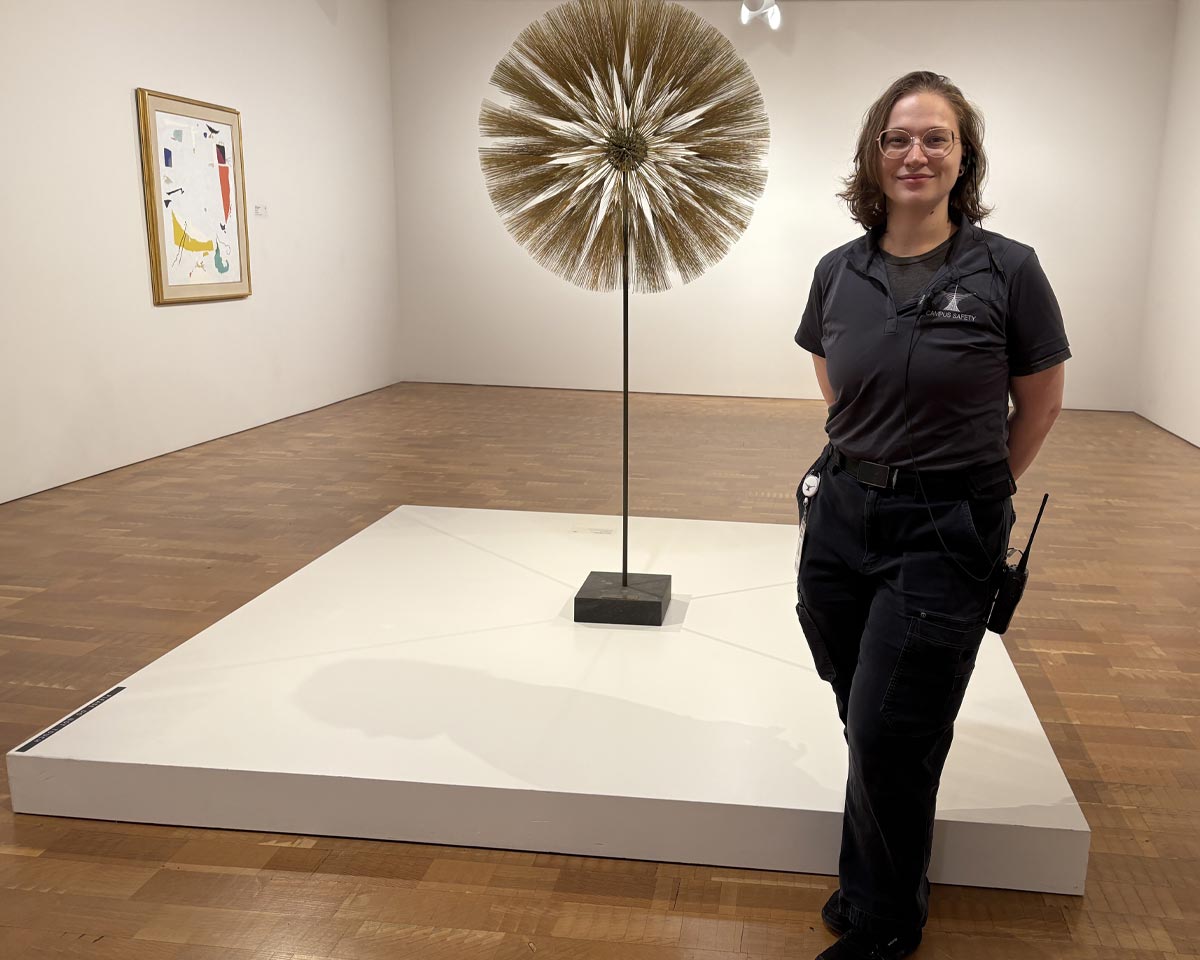
“I like how it can be so engaging for guests.”
—Kara Speakman, guard since 2024
Learn more about the exhibitions and related programs at mam.org/bold-vision and mam.org/looking-forward.
The Bradley Collection of Modern Art: A Bold Vision for Milwaukee
Baker/Rowland Galleries
September 26, 2025–January 18, 2026
Looking Forward: New Gifts of Art
Herzfeld Center for Photography and Media Arts
Nov 7, 2025–Feb 15, 2026
Support
Exhibitions in the Herzfeld Center for Photography and Media Arts are sponsored by
Herzfeld Foundation
Presenting sponsors

David and Julia Uihlein
Lynde B. Uihlein
Leadership sponsors
Donna and Donald Baumgartner
Anthony and Vicki Cecalupo
Milwaukee Art Museum’s Friends of Art
Jane Bradley Pettit Foundation
Supporting sponsors
Geralyn Cannon
Sallie O. Davis and Family

Contributing sponsors
Thomas Hesselbrock and Carl Spatz
Elizabeth Levins and Herbert Zien
The Milwaukee Art Museum extends its sincere thanks to the Visionaries for their support of the exhibition program.
Mark and Debbie Attanasio
Donna and Donald Baumgartner
Murph Burke
The Helmerich Trust
Kenneth and Alice Kayser
Joan Lubar and John Crouch
Joel and Caran Quadracci
Sue and Bud Selig
Jeff and Gail Yabuki
Continue reading


Header image: Peg Bradley in her private apartment in the Milwaukee Art Center galleries, 1975. Courtesy of the Milwaukee Art Museum Institutional Archives