
In the gallery with Francisco de Zurbarán’s Saint Francis of Assisi in His Tomb, discussed in the article on Idris Khan, are two newly installed paintings from the collection. They replace a work currently featured in Arresting Beauty: Julia Margaret Cameron in the Herzfeld Center for Photography and Media Arts. A European painting from the second floor has also been relocated into the exhibition.
Works of art are often on the move. The paintings in this case were transported within the Museum itself, but works from the collection are loaned to institutions around the world for exhibitions. They are also removed to be cleaned or have a rest. Several considerations go into choosing an artwork to fill a space. For example, the replacement should fit in with the other objects; in the European galleries, this means selecting a painting from the same period and with the same subject matter. Scale is also a factor: Is the object the right size to fill the space? Finally, coordinating the installation with other moves that are happening at the same time can affect which work is chosen, depending on whether it is coming from the vault, another institution, or different galleries in the Museum.
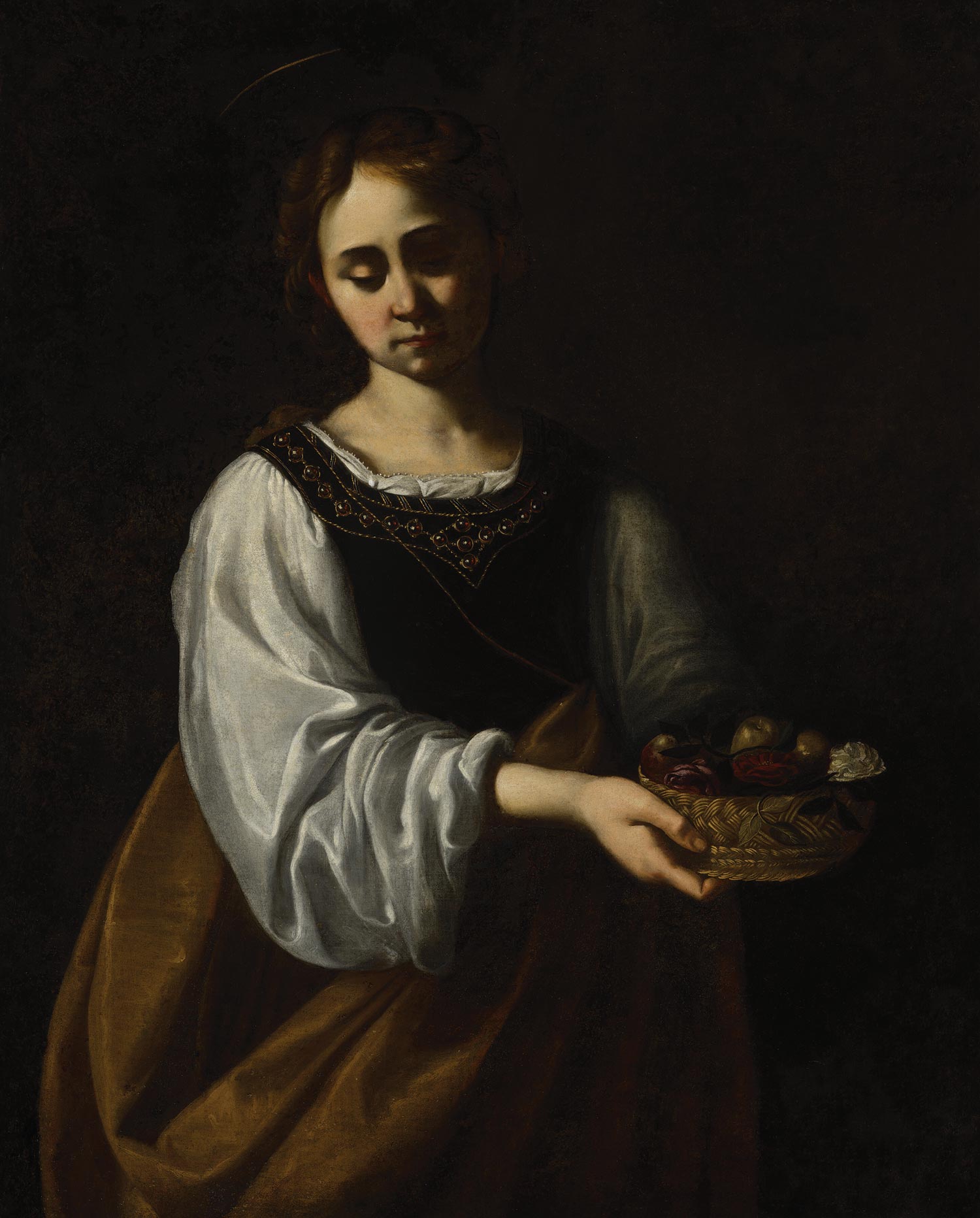
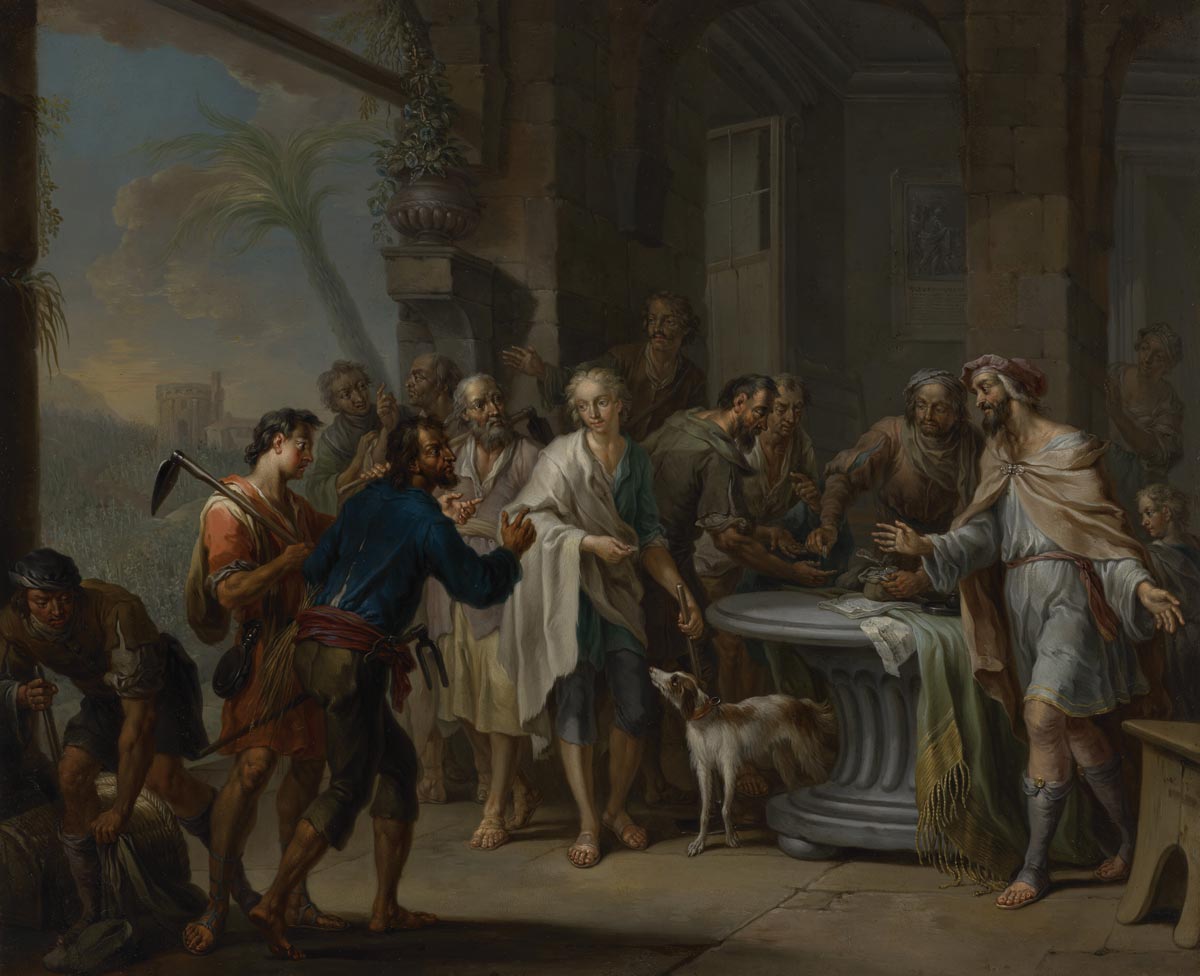
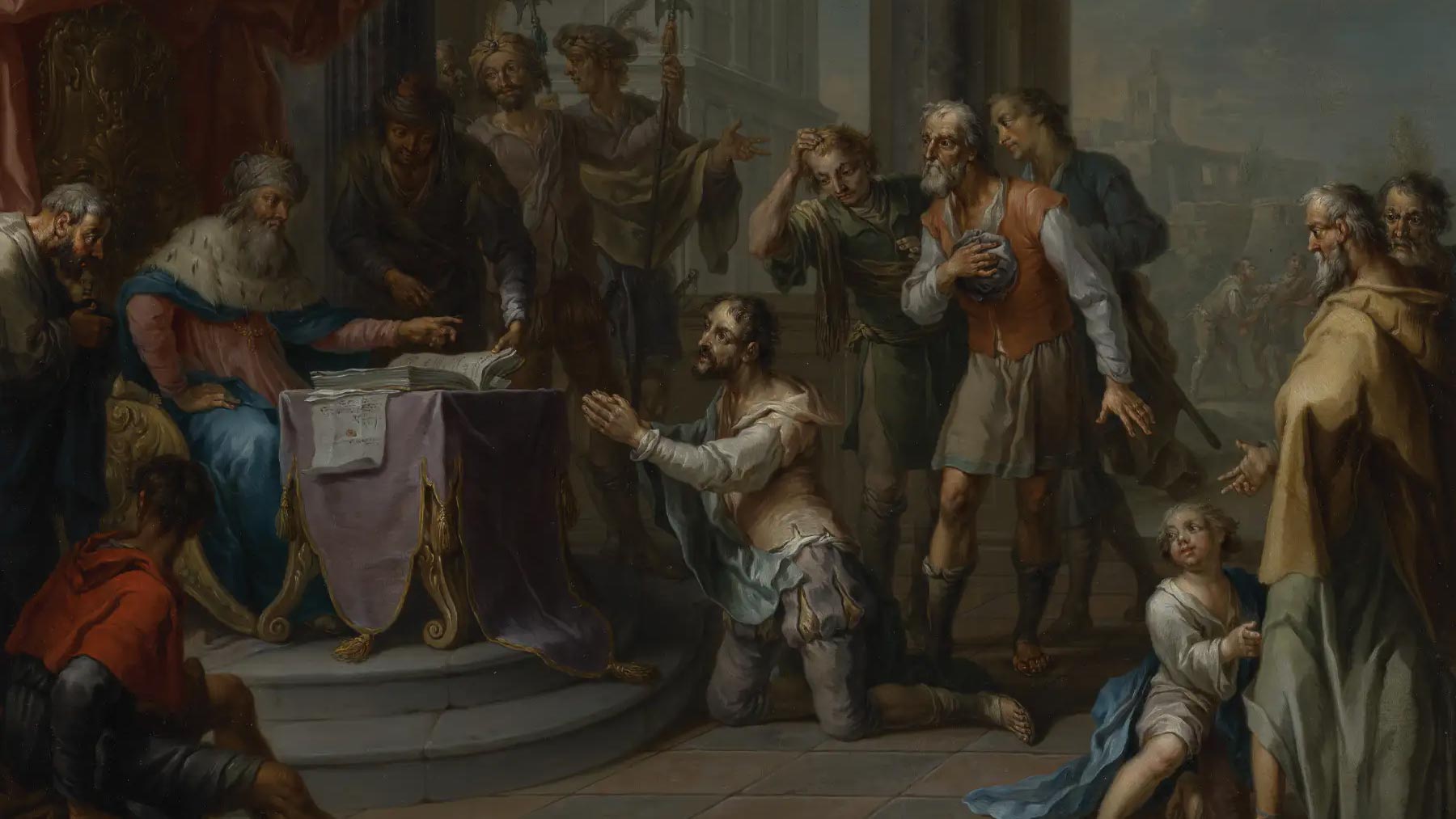
Two paintings from about 1745 by Austrian artist Franz Christoph Janneck are now in gallery S114, on the first floor, in place of St. Dorothy by Antiveduto Gramatica. The paintings illustrate biblical parables and are on copper plate, an ideal smooth surface for the finely detailed compositions. They have not been on view in recent history and have undergone
conservation treatment. We are eager to share them with visitors.
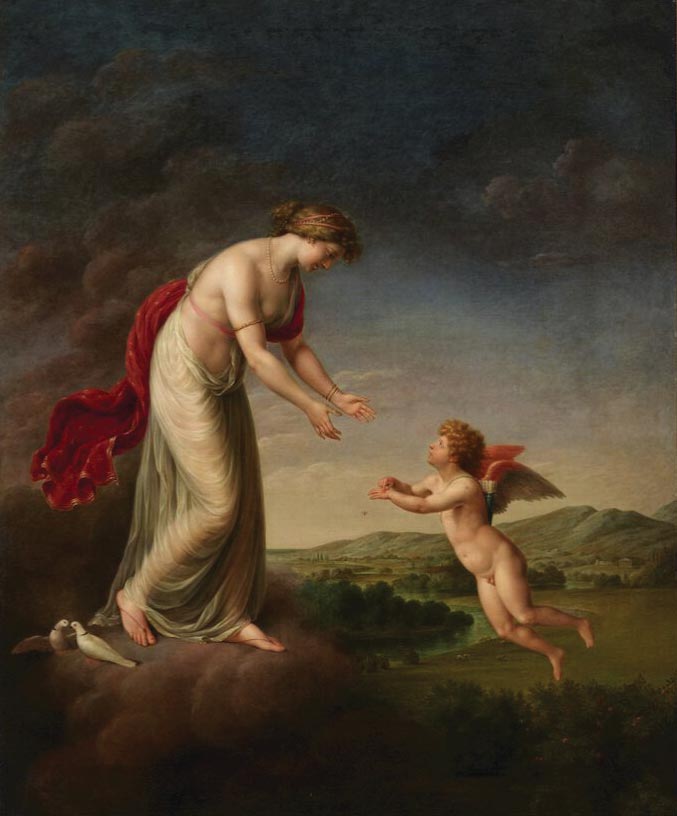
At the Fountain by Frederic Leighton, 1st Baron Leighton of Stretton, usually hangs in gallery S200, on the second floor, among paintings by artists associated with the formal art academies of Europe. In its place is Venus and Cupid (ca. 1808) by German artist Friedrich Rehberg, which is similar in both scale and its depiction of subject matter inspired by the ancient past. It is particularly exciting to have the Rehberg on view because it was a gift to the Museum just last year.
Continue browsing
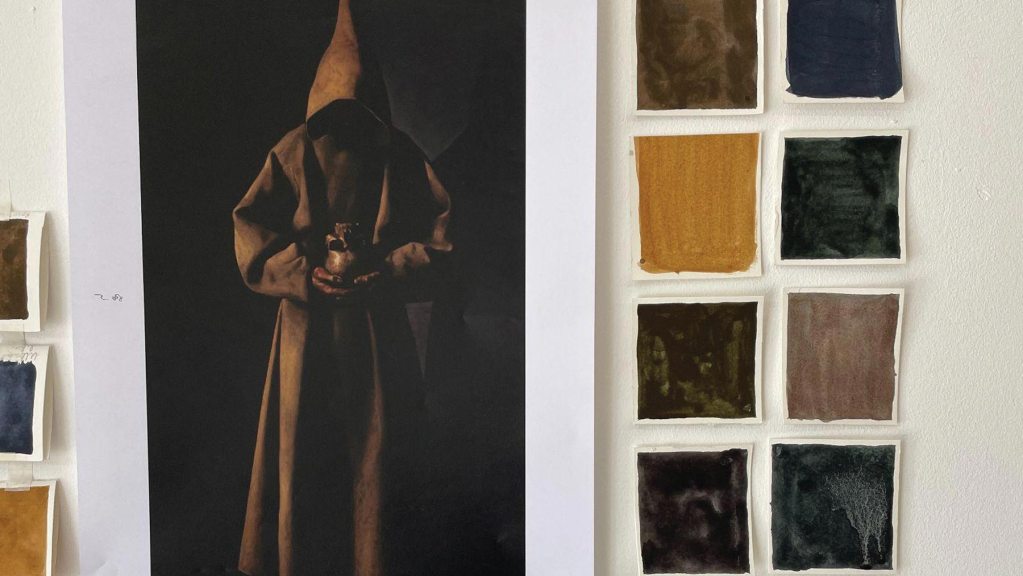


Image:
1. Franz Christoph Janneck, Parable of the Unmerciful Servant (detail), ca. 1745. Gift of Carl W. Schuchardt, M1956.21
2. Antiveduto Gramatica, St. Dorothy, late 16th–early 17th century. Gift of Dr. and Mrs. Alfred Bader, M1971.23. Photo by Cleber Bonato
3. Franz Christoph Janneck, Parable of the Vineyard, ca. 1745. Gift of Carl W. Schuchardt, M1956.22
4. Friedrich Rehberg, Venus and Cupid, ca. 1808. Gift of Jonathan Kagan, M2023.273